
2026 NAPPC Conference Recap
The North American Pollinator Protection Campaign convened for its 26th annual conference from October 20 - 22, 2026 to celebrate pollinator award winners and tune into ever-inspiring keynote and panelist speakers making strides in protecting pollinators. Thank you to our NAPPC speakers, members, and sponsors for making this year’s conference a success.
See below for a recap of the keynote speaker presentations and 2026 NAPPC Award Winners.
Esther Bonney: Fostering Youth Wellbeing Through Native Restoration
Jode Roberts: Three Lessons from the Butterflyway Project
Sam Jaffe: The Caterpillar Lab and Life on a Leaf
2026 Pollinator Award Winners

Pollinator Advocate Award Winner (U.S.)– Debra Mackey
Debra Mackey transformed her passion for gardening into leadership in pollinator education, conservation, and community engagement. As the leader of the Marion County Master Gardener Pollinator Census Team, she advanced Florida’s participation in the Great Southeast Pollinator Census, a multistate community science initiative that monitors pollinator populations. Her efforts broadened public participation and increased awareness of pollinators’ vital role in healthy ecosystems.

Pollinator Advocate Award Winner (Canada)– Emily McLean
Emily McLean activated her community to turn pollinator conservation into a unifying goal. Beginning her advocacy as an undergraduate student, she led successful efforts to establish Halifax as a Bee City and Dalhousie University as a Bee Campus, and has contributed to several pollinator conservation initiatives since. Emily recently completed her Master of Environmental Studies and has begun her PhD focused on ground-nesting bees, while continuing her advocacy efforts.
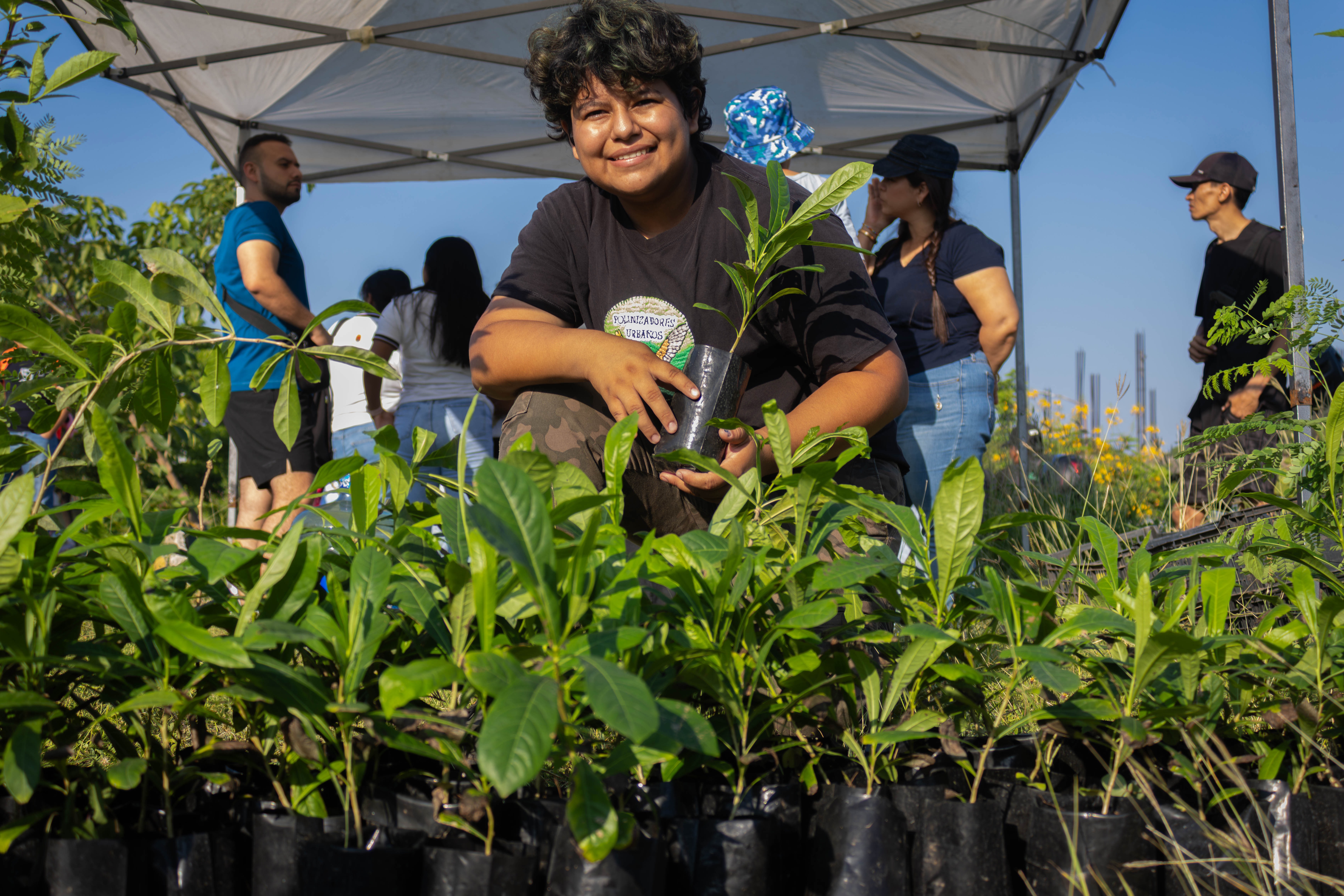
Pollinator Advocate Award Winner (Mexico)– Evelyn Pinot Campos
Evelyn Pinot Campos is the founder of Urban Pollinators, a community-based initiative in the Soconusco region of Chiapas, Mexico. Urban Pollinators transform underused green spaces into refuges for bees, butterflies, hummingbirds, and other local pollinators. They are the first pollinator habitat network in Chiapas, with hopes of linking more pollinator gardens across the region to create the Ts’unu Biological Corridor.
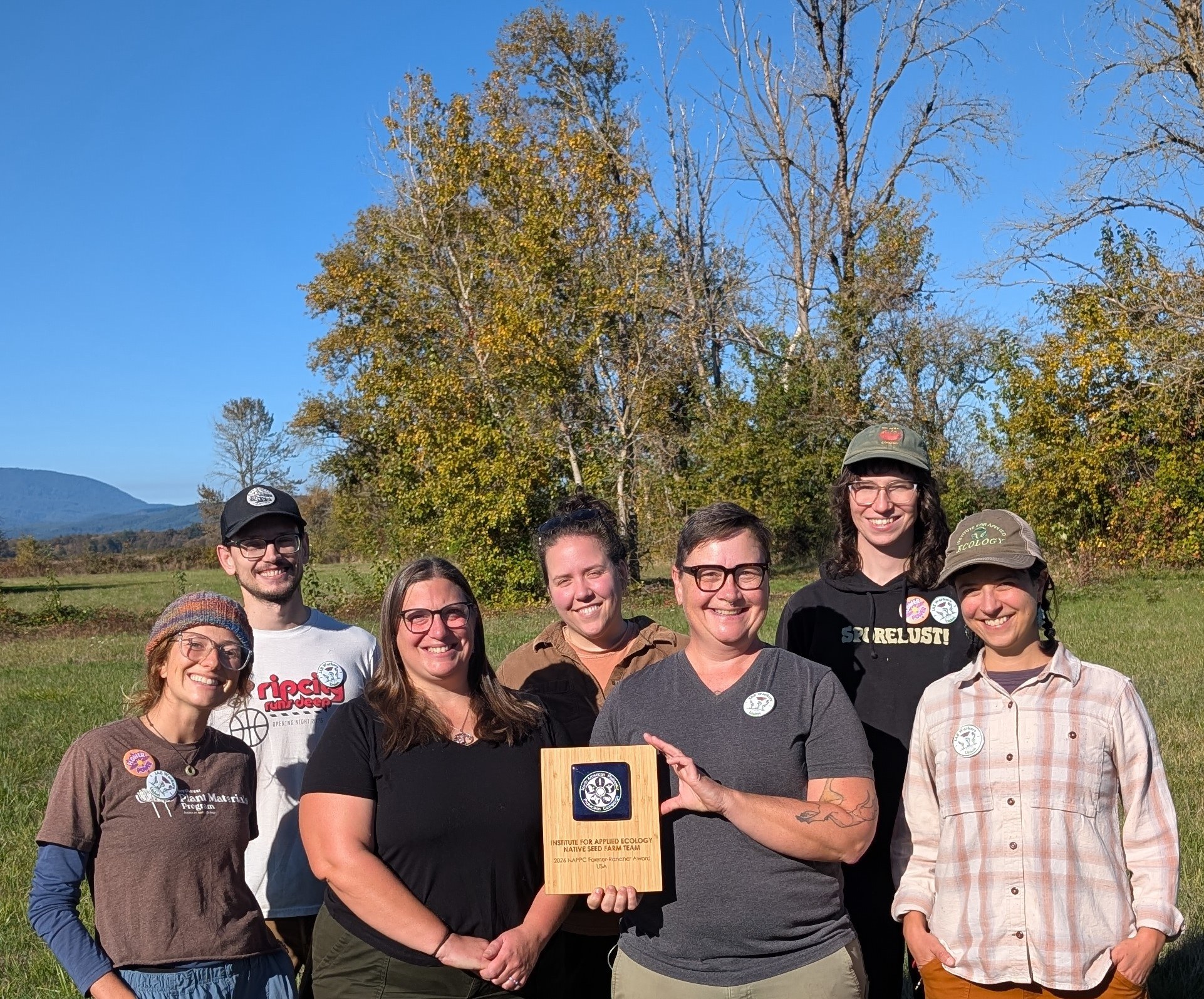
Pollinator Farmer-Rancher Award Winner (U.S.)– Institute for Applied Ecology's Native Seed Farm Team
Institute for Applied Ecology's Native Seed Farm Team manages the NW Native Seed Farm, a three-acre native seed production operation in Oregon's Willamette Valley. The farm increases the availability of ecologically appropriate native plant seeds for restoration projects throughout the Pacific Northwest. These seeds help maintain supplies of nectar and host plants needed by endangered butterfly species in the region like Fender’s blue butterfly.
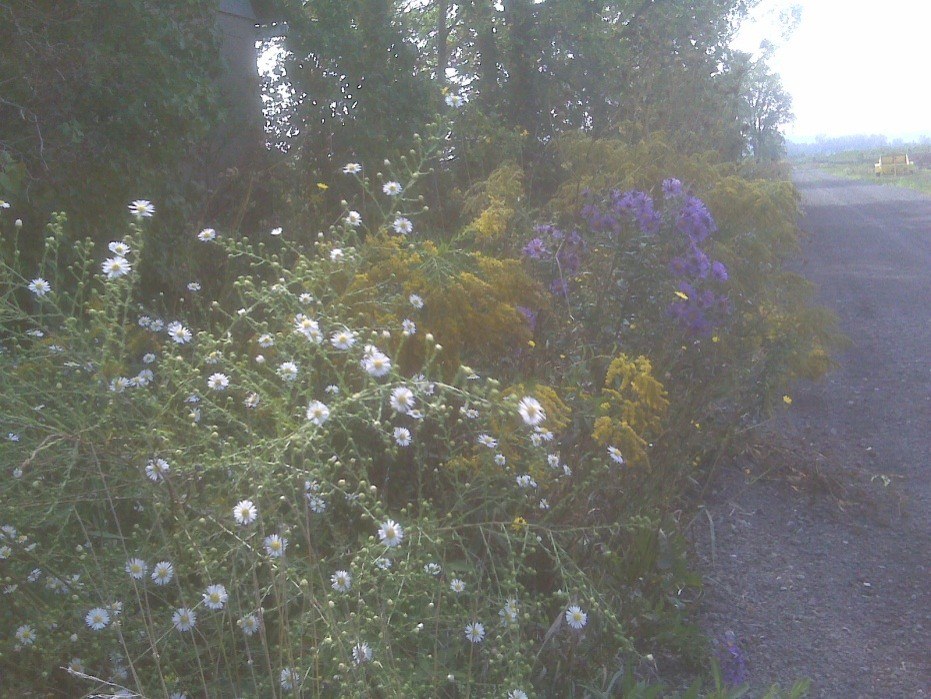
Pollinator Farmer-Rancher Winner (Canada)– Ed Hughes of Hughes Family Vineyards
Sponsored by the Canadian Federation of Agriculture
Located in Niagara, Ontario, Ed has been growing grapes and other fruit crops since 1993. Ed has managed his farm for pollinator health through a variety of on-farm practices: planting native flowering hedgerows, maintaining permanent cover crops, applying Integrated Pest Management, and participating in research efforts to better understand pollinator responses to vineyard management practices.
Pollinator Farmer-Rancher Award Winner (Mexico)– Maria Guadalupe Vega Mendoza
Maria Guadalupe Vega Mendoza co-founded Centro de Agricultura Regenerativa de la Huasteca, a regenerative agriculture center and Las Meliponas Forest Preserve in El Chino, SLP, Mexico.The Center demonstrates regenerative practices and primarily serves to build the capacity of farmers to transition to high-value pollinator-dependent perennials, rather than the sugarcane monoculture that dominates the region.
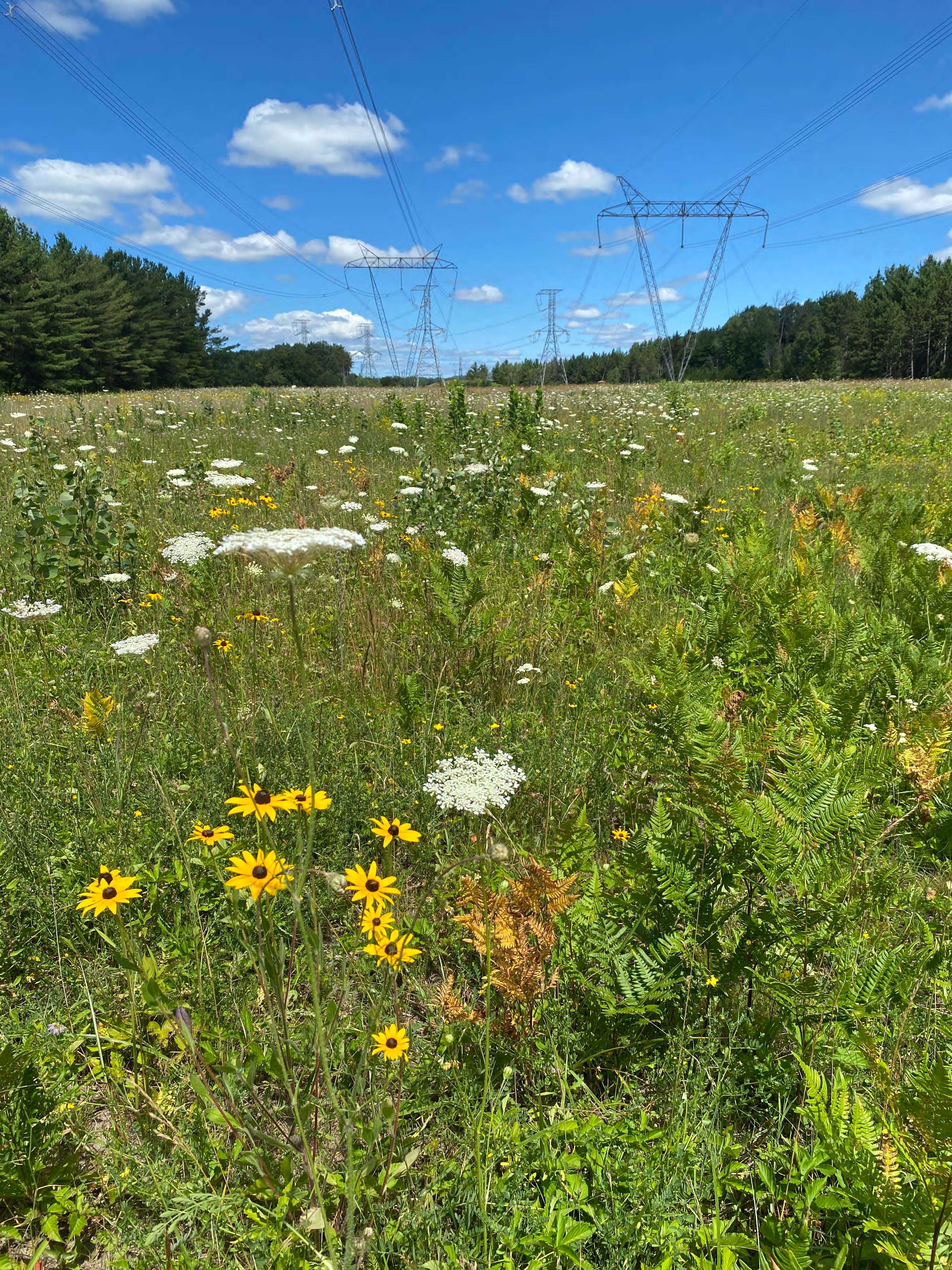
Pollinator Electric Power Award Winner– Tiffin Corridor Pollinator Project
Sponsored by EPRI
This project brings together Hydro One Networks Inc., World Wildlife Fund Canada, and the Nottawasaga Valley Conservation Authority to enhance 45 hectares of habitat along a high-voltage transmission corridor in Ontario using native seed. Following planting in 2024, the first year of a multi-year ecological of monitoring project yielded promising preliminary evidence of the reestablishment of remnant grassland that once characterized the region. Monitoring has also documented use of the site by imperiled pollinators, including monarch butterflies and American bumble bees.
Read the full article