Pollinators and Agriculture A Partnership on the Land
Birds, bats, bees, butterflies, beetles, and other small animals that pollinate plants are responsible for bringing us one out of every three bites of food we eat. Without pollinators, agricultural economies, our food supply, and the surrounding landscapes we depend on would collapse. Pollinators contribute more than $200 billion to the global economy each year, providing essential services to more than 180,000 plant species and over 1,200 crop types.
Since 1997, Pollinator Partnership has worked with a wide range of pollinator health stakeholders to implement pollinator best management practices and essential pollinator habitat through on-the-ground technical assistance, financial assistance, and farmer outreach. Pollinator Partnership’s agriculture programs have had a real and lasting impact on farmland across North America. Find useful resources and learn more about how to get involved on this page.
Programs:
-
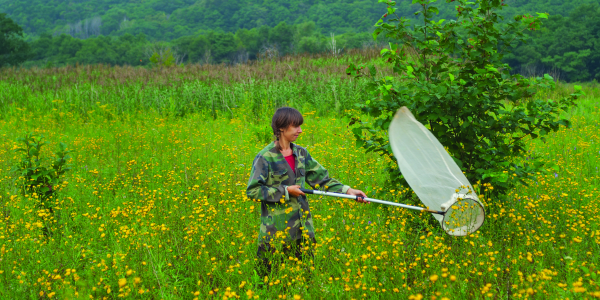
NRCS Partner Biologists
Pollinator Partnership (P2) has partnered with the USDA National Resource Conservation Service (NRCS) to provide technical assistance to producers in select regions across the U.S. interested in utilizing USDA funding to implement conservation practices on their land. Funding for conservation practices is available through Farm Bill Programs such as the Environmental Quality Incentives Program (EQIP), the Conservation Stewardship Program (CSP) , and the Conservation Reserve Program (CRP). These programs can be used to implement practices such as adding conservation buffers, adding a pollinator planting to unproductive areas, enhancing wetlands, and introducing ecological diversity on a variety of working lands.
-
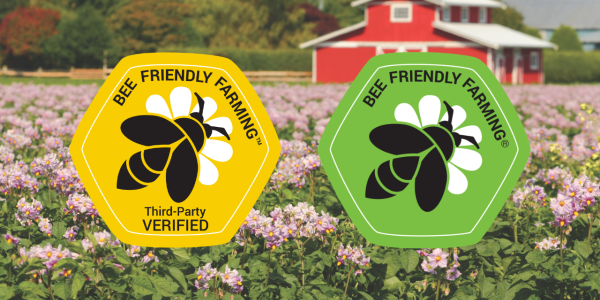
Bee Friendly Farming
Bee Friendly Farming Certification® delivers marketable value by signaling a commitment to resilient sourcing. As buyers and consumers increasingly prioritize sustainability and risk-aware supply chains, certification provides a credible way to differentiate products while reinforcing brand trust. Support Bee Friendly Farmers by purchasing products with the golden bee! Learn more and apply at beefriendlyfarming.org
The Bee Friendly Farming Program® is a tiered membership-based initiative that helps farmers support pollinators on their lands. Through clear, science-based standards and practical, on-the-ground resources, BFF helps producers establish and manage high-quality pollinator habitat and implement integrated pest management (IPM) strategies that balance productivity with environmental stewardship. By enhancing ecosystem services such as pollination, natural pest control, and soil health, BFF practices can reduce reliance on costly external inputs, creating opportunities for cost avoidance, and improved profit margins over time. Learn more and apply at pollinator.org/bff
-
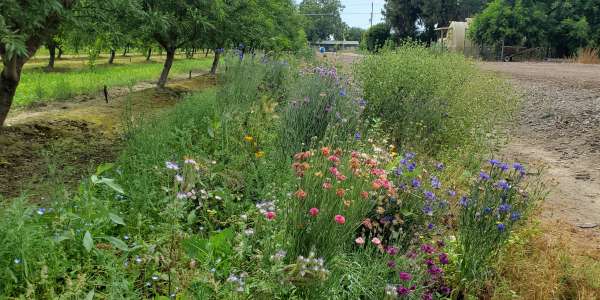
Grant Opportunities
Visit this page for information on receiving financial assistance for incorporating pollinator habitat on farms located in select counties in California. Get money for implementing a wide variety of pollinator-supporting practices.
-
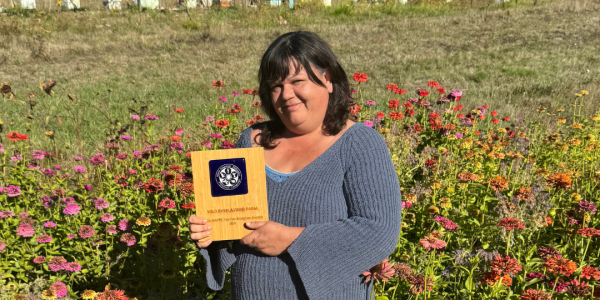
NAPPC Agriculture and Pollinators Task Force
The Agriculture and Pollinators Task Force is built on a mission with mutually inclusive goals: supporting agriculture and preserving pollinators. Learn more about the Farmer-Rancher Award and browse the Pollinator-Friendly Farmer and Rancher Resource Hub.
-
Monarch Wings Across America
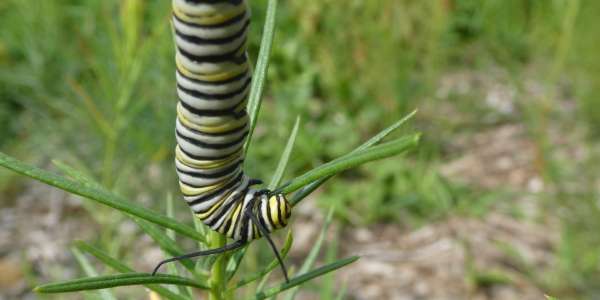
Monarch Wings Across America (MWAA) is a multi-project initiative that creates habitat and refines science around monarch butterfly issues in the United States to help address the relatively recent alarming decline in monarchs across both its eastern and western populations. So far under the MWAA program, Pollinator Partnership has led four projects across the United States to help promote monarch butterfly populations throughout North America. Learn about them here.
Pollinators need the support of farmers, we have resources to help:
Donate to support pollinator conservation on farms
Your support helps us protect pollinators! Pollinator Partnership (P2) is a registered nonprofit organization that works to enhance pollinator habitat, encourages research and policy actions that help protect pollinators, and provides outreach and education materials throughout North America. Donations made to P2 are tax deductible as allowed by law.
$30 Donated
400 sq. ft of restored pollinator habitat
$50 Donated
800 sq. ft of restored pollinator habitat
$100 Donated
1,600 sq. ft of restored pollinator habitat
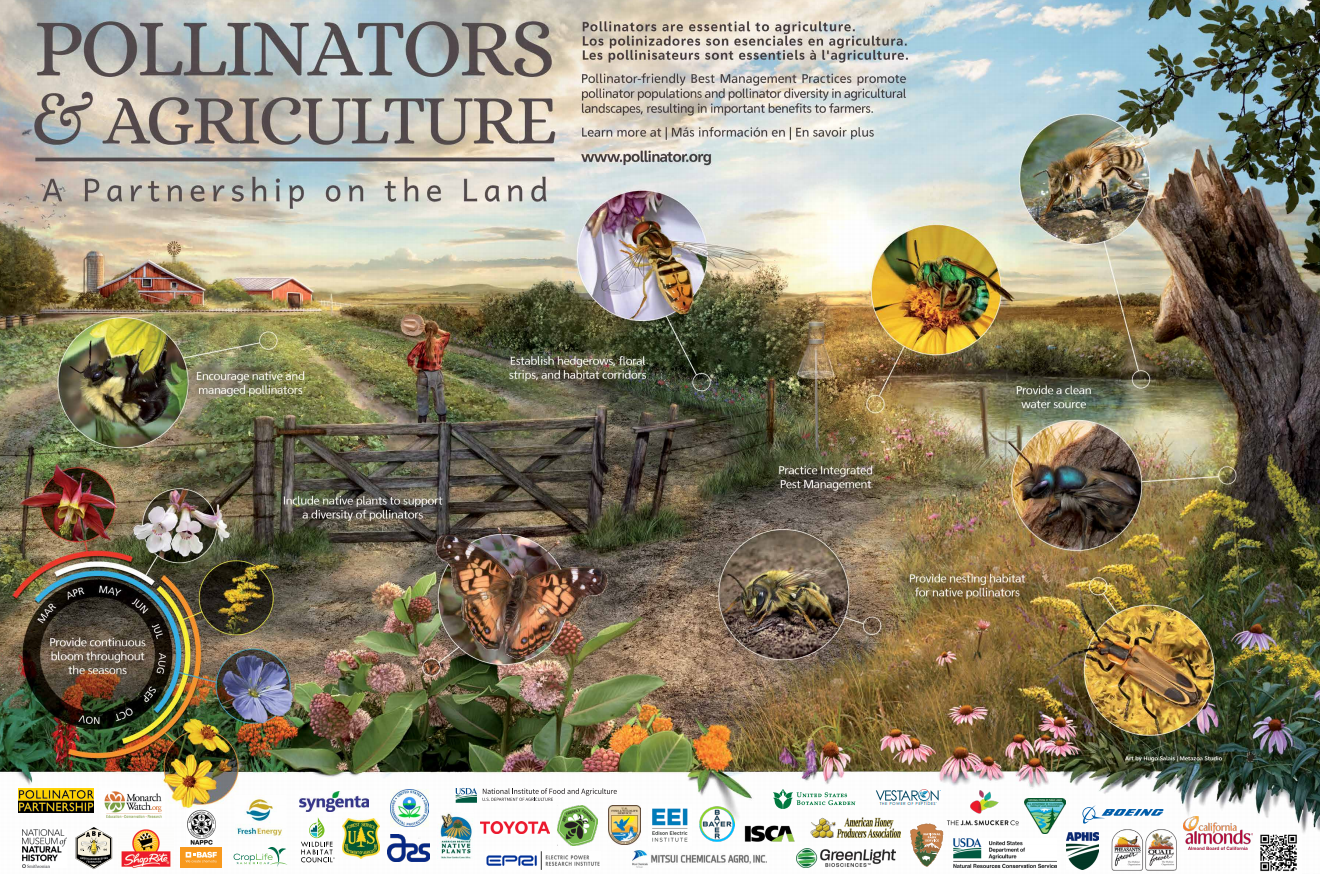
DonatePollinators and Agriculture 2021 Poster
Contact Us
Questions? We are here to help.
Agricultural Programs Line: +1 (209) 692-0307