
Juanita Salisbury, PhD, Primrose Way Pollinator Garden
Food, spices, oils, and fibers – pollinators excel at making these items possible. The complexity of the pollinator world is astounding because of the roles they play and their vitality to healthy ecosystems. We celebrate these achievements through the incredible people and projects that are working to conserve pollinators. We hope these stories encourage and empower you to better understand who our pollinators are and what actions you can take to help them. This month we interviewed Juanita Salisbury, PhD, the landscape architect leading a group of volunteers creating urban pollinator sanctuaries through the Primrose Way Pollinator Garden.
Photo: Juanita Salisbury
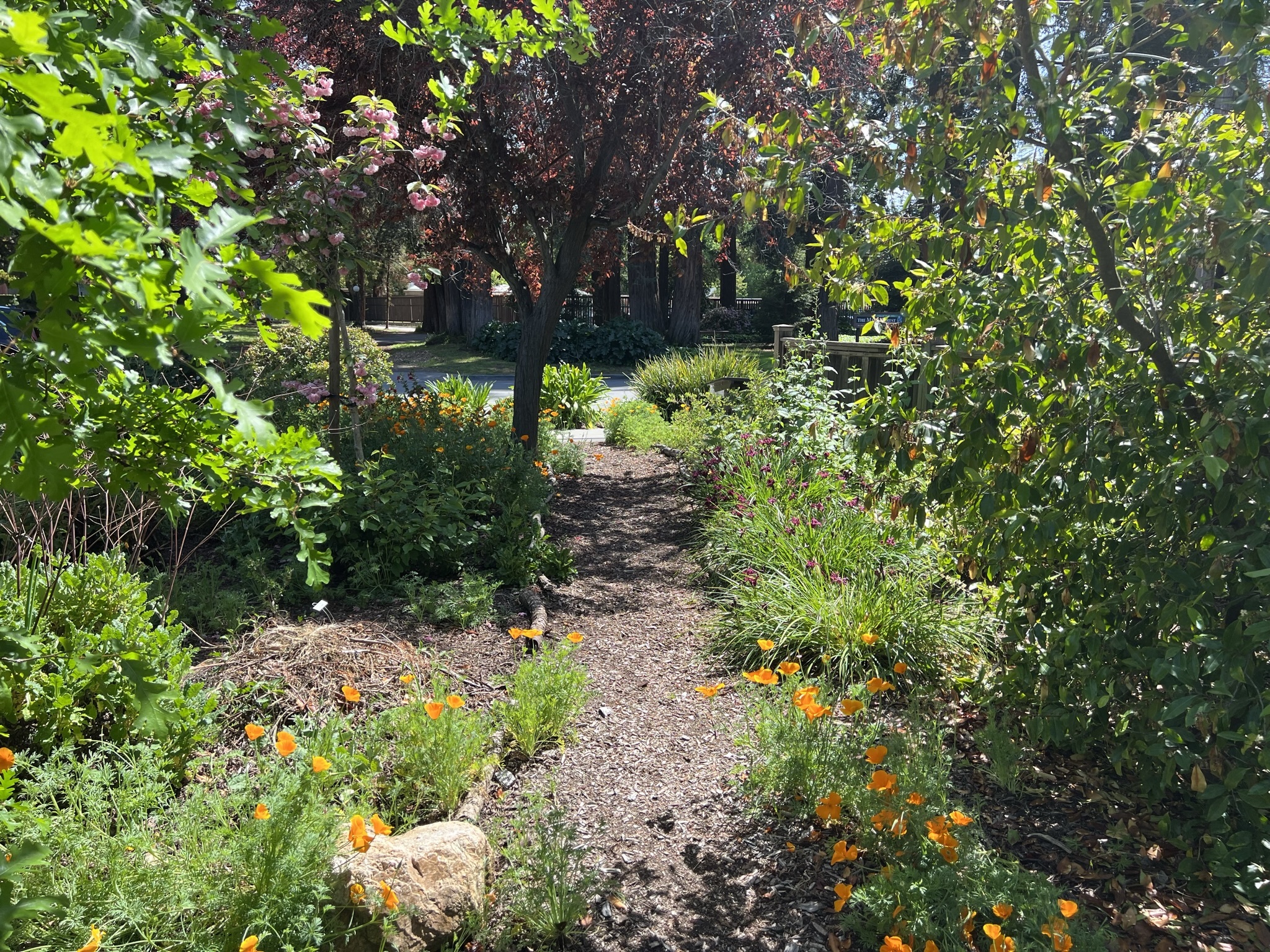
Monarch. Photo: Juanita Salisbury
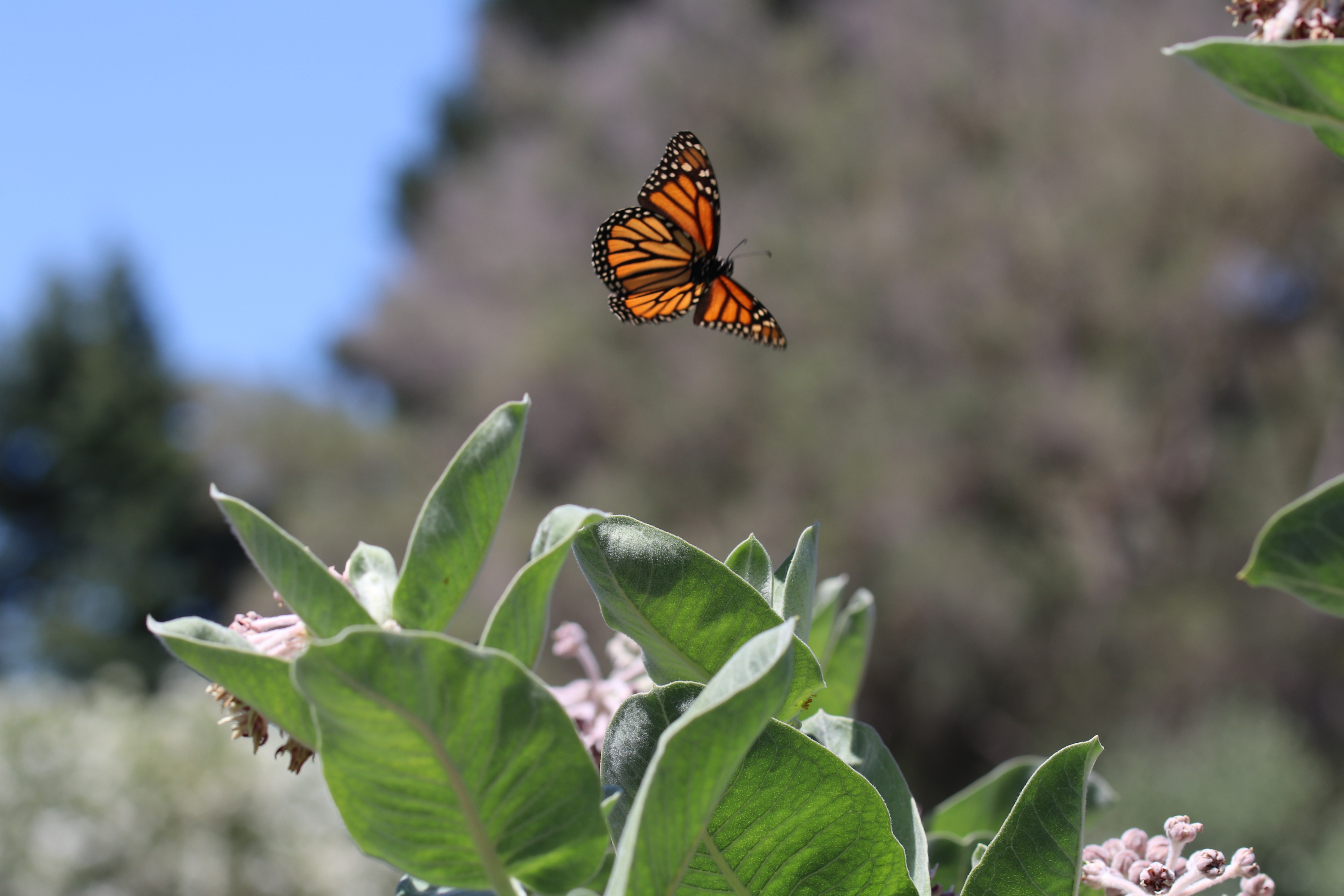
Photo: Juanita Salisbury
Q: How would you describe this effort?
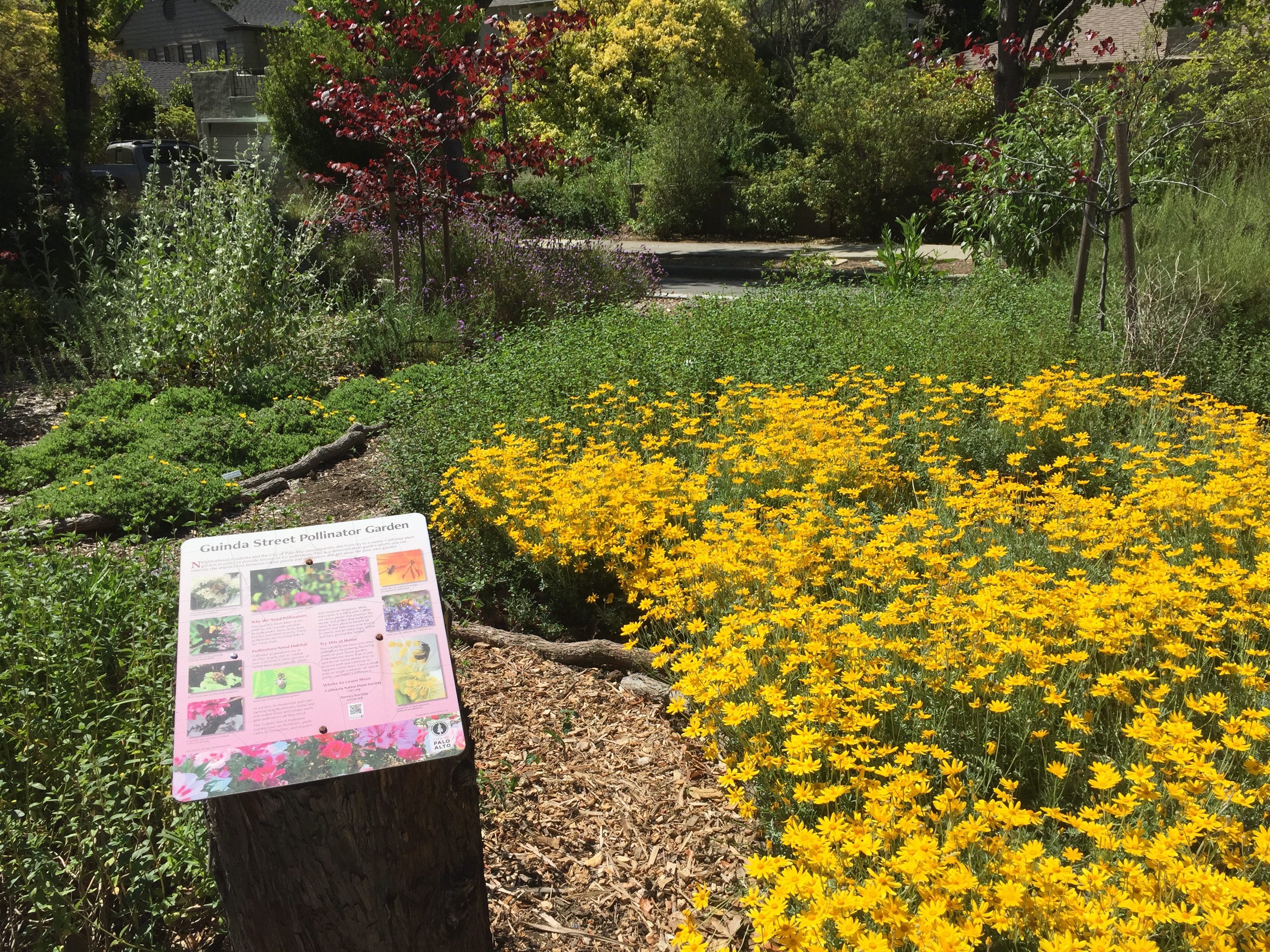
A: The Primrose Way Pollinator Garden project is a volunteer-led effort in Palo Alto, California that transforms underutilized public spaces into vital native plant habitats. Started in 2016, our network of gardens serves as a living laboratory and educational resource for the community, demonstrating the beauty and ecological importance of California native plants for supporting local pollinators.
Q: How did your project/organization start?
A: The project started in 2016 when I was looking for more space to plant native plants; my own yard couldn't accommodate everything I wanted to grow. It began with our first garden, the Primrose Way Pollinator Garden, which converted a public parkway into a thriving habitat for native pollinators. Our network has grown from there to include seven gardens plus the Embarcadero Road Pollinator Corridor Project.
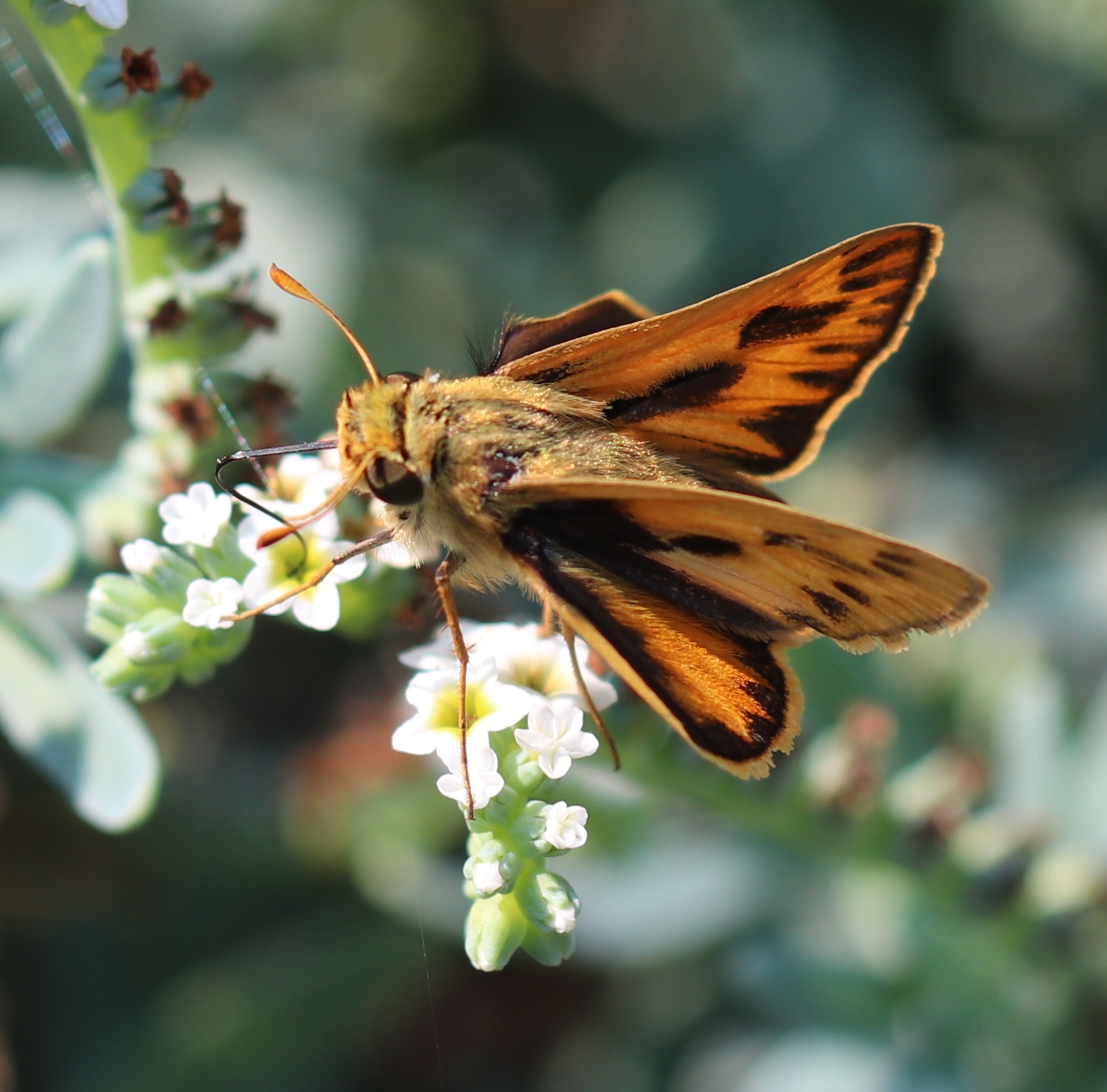
Fiery skipper. Photo: Juanita Salisbury
Q: What got you interested in or inspires you about pollinators?
A: It was a combination of factors, including the never-ending goal of optimizing my design skills as a landscape architect. This work has clarified what works, and you know when you've achieved harmony and the goal of supporting and sustaining life when you see all the butterflies, bees, birds, and other organisms using the habitats.
Q: What is the target audience for this work?
A: Our audience is broad and includes everyone, from potential volunteers to curious community members. We stress that the gardens and all their lessons are for everyone. The gardens create an abundance of resources and knowledge — plenty to go around.
Q: What are the primary goals of your organization?
A: Our primary goals are twofold: first, to create, design and maintain a network of vital native plant habitats that support local pollinator populations. Second, to educate and inspire our community through these living examples, sharing best practices in garden maintenance, ecological design and the critical connections between native plants and wildlife.
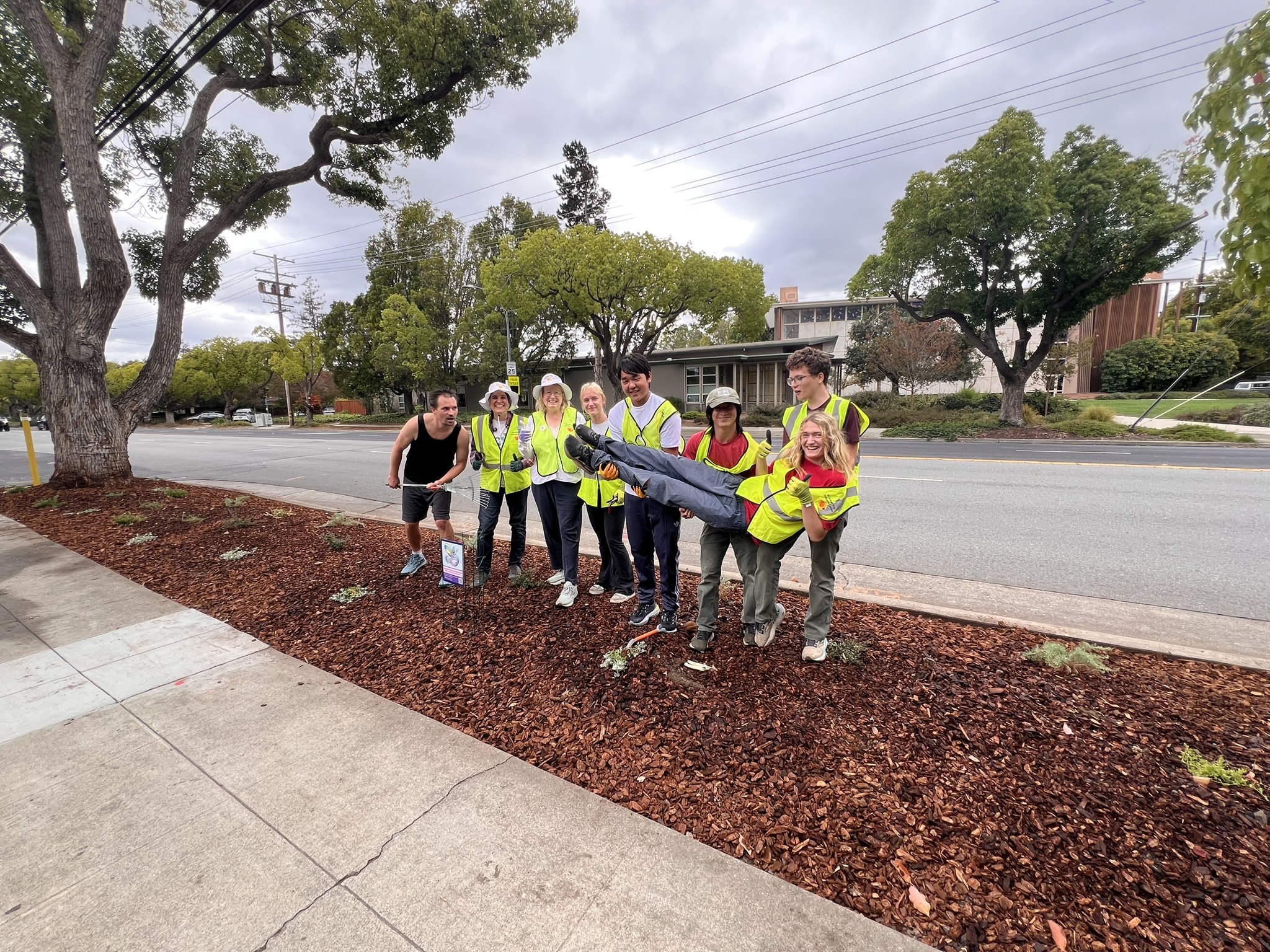
Volunteer planting crew. Photo: Juanita Salisbury
Q: What successes have you achieved?
A: Our biggest successes include the expansion to our current network, of course, but also in building a huge community. The broader lessons the gardens freely give have transformed countless lives and paths — a huge success. People describe the gardens as opening doors for them, and I feel exactly the same way.
Q: What is your biggest challenge?
A: Our biggest challenge is site preparation. Removing invasive ivy professionally, for example, is expensive, but it is the right way to do it to ensure long-term success.
Q: We’re always looking to improve our network of partners and promote good informational materials and projects that increase learning. What are some of your favorite go-to references/resources for pollinator or habitat related questions?
A: Our go-to resources are definitely Calscape.org (from the California Native Plant Society) and all of Doug Tallamy's work, which brilliantly explains the "why" behind planting native.
Q: How do you engage with your community in regard to this work?
A: We engage the community directly through our public volunteer workdays, our website, talks that I give We also engage through city events — our partnership with the City of Palo Alto is huge, and my operating style is to say yes to my partners. We also share positive social media messages and, for those who want them, more in-depth musings on my blog, "Planting the Revolution."
Q: What is something about pollinator conservation or your project/organization you wish more people knew?
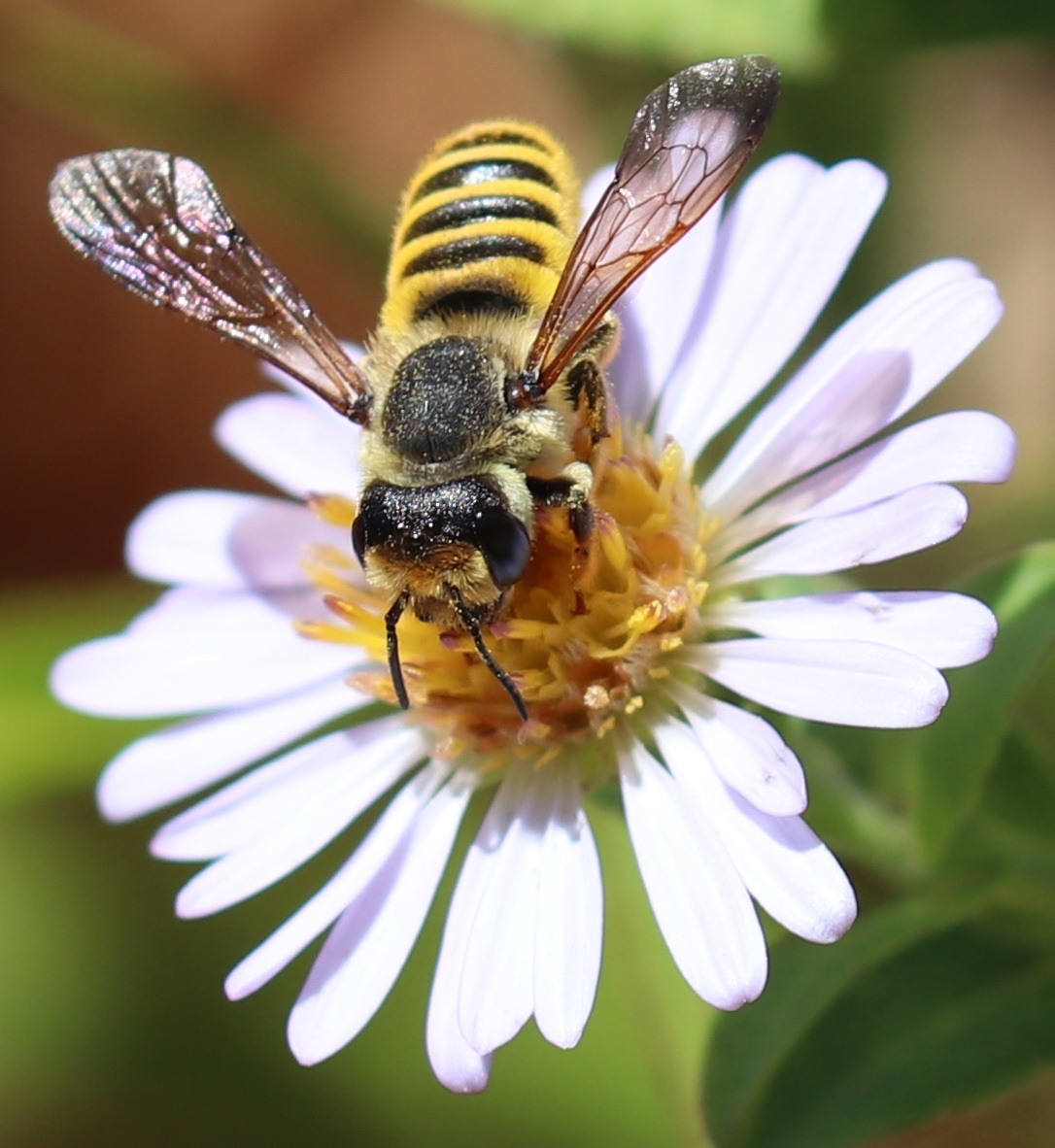
Leafcutter bee. Photo: Juanita Salisbury
A: I wish more people understood that a pollinator garden supports the function of pollinators, which is to spread the genetic diversity of plants to create a robust base for the food web. And, just as importantly, how easy it is to enhance life by planting native.
Q: Where can readers find more information about your project/organization?
A: Readers can find extensive information, including our "Pollinator Post" newsletter, volunteer information and details about our gardens, on our website. We also post videos, updates on projects and upcoming events on our social media on Instagram and Facebook.
Q: What is the best way to get involved in your conservation work?
A: The best way to get involved is to visit our website, which has a contact form people can fill out. People can also message me directly through social media. For those who wish to support our work financially, tax-deductible donations can be made through our fiscal sponsor, the Friends of the Palo Alto Parks.
Alone no individual or entity can address all pollinator conservation needs, but through collaborative conservation we can and will make a difference for pollinators and the ecosystems they help support. Keep following our Pollinator Conservation Spotlight series to hear more inspiring pollinator conservation stories.
Do you know a great project or organization that is addressing critical pollinator conservation topics and deserve their moment under the spotlight? Let us know!
Article contributed by Maddie Dong, Pollinator Partnership, for the NAPPC Pollinator Communications Taskforce's Pollinator Conservation Spotlight Series.