Monarch butterflies show encouraging gains, but still need our help by Kelly Bills, Executive Director, Pollinator Partnership
Published April 7, 2026
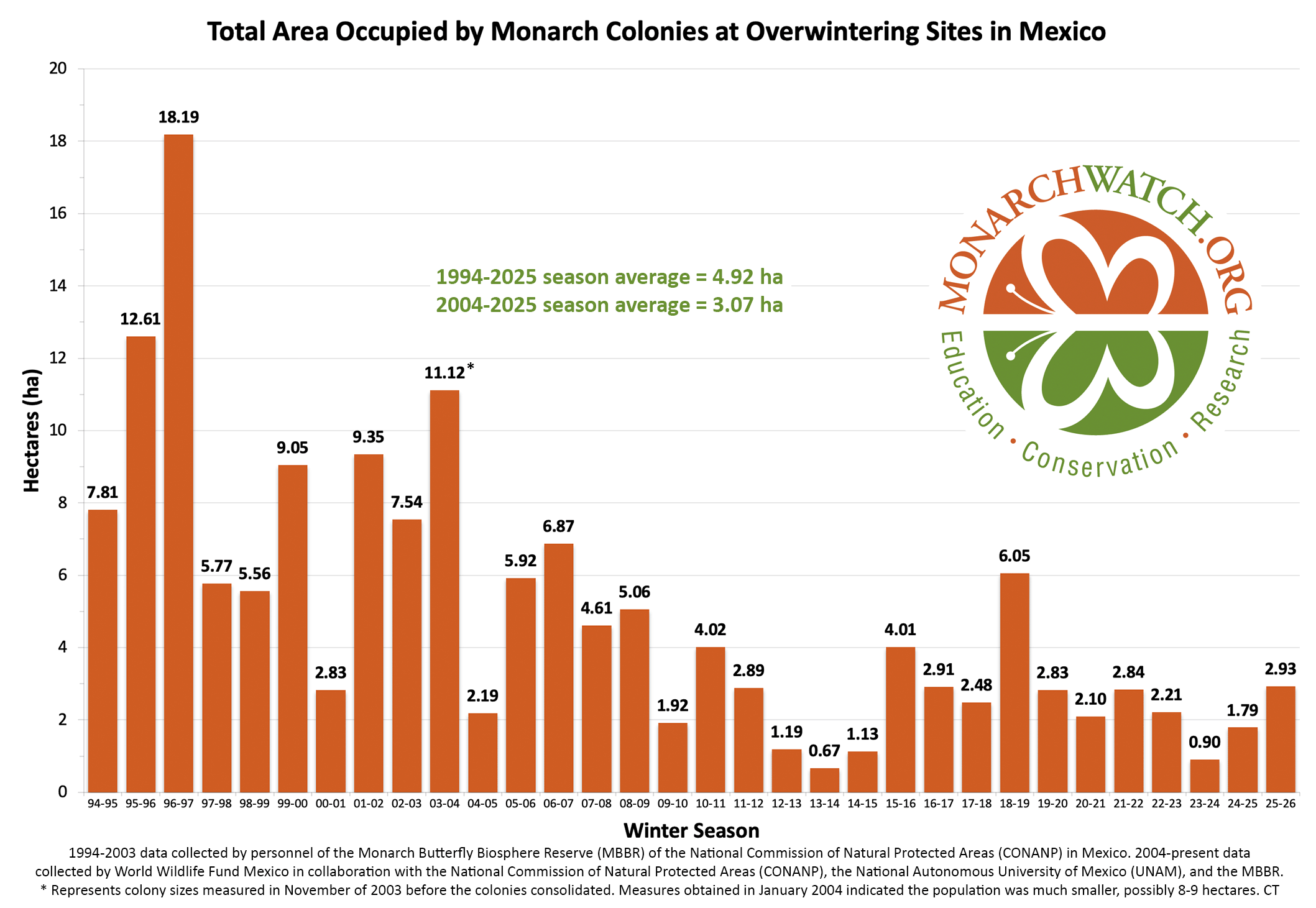
There is hopeful news for monarch butterflies this year. The latest overwintering surveys in central Mexico indicate a substantial increase in the eastern migratory population, with monarchs occupying significantly more forest area than last winter—an estimated rise of about 64%.
This rebound follows several years of lower counts and highlights how responsive monarch populations can be to improved conditions. Favorable weather during the breeding season, along with ongoing conservation actions such as habitat restoration and protection of overwintering forests, likely contributed to this year’s increase.
At the same time, experts caution that monarch numbers remain well below long-term averages. Population sizes continue to fluctuate from year to year, and the overall trend over recent decades has been downward. This means that while this year’s news is encouraging, it does not yet signal full recovery.
Monarch butterflies are an iconic pollinator species, known for their remarkable multi-generational migration across North America. Their survival depends on a connected network of habitats, from milkweed-rich breeding grounds to protected overwintering sites. Ongoing challenges such as habitat loss, climate change, and pesticide exposure continue to put pressure on their populations.
This moment is a powerful reminder: conservation efforts are making a difference. By continuing to restore habitat and support pollinator-friendly practices, we can help sustain monarch populations for the future.
Western Monarchs Face Ongoing Challenges
Monarchs on eucalyptus. Photo: Amber Barnes
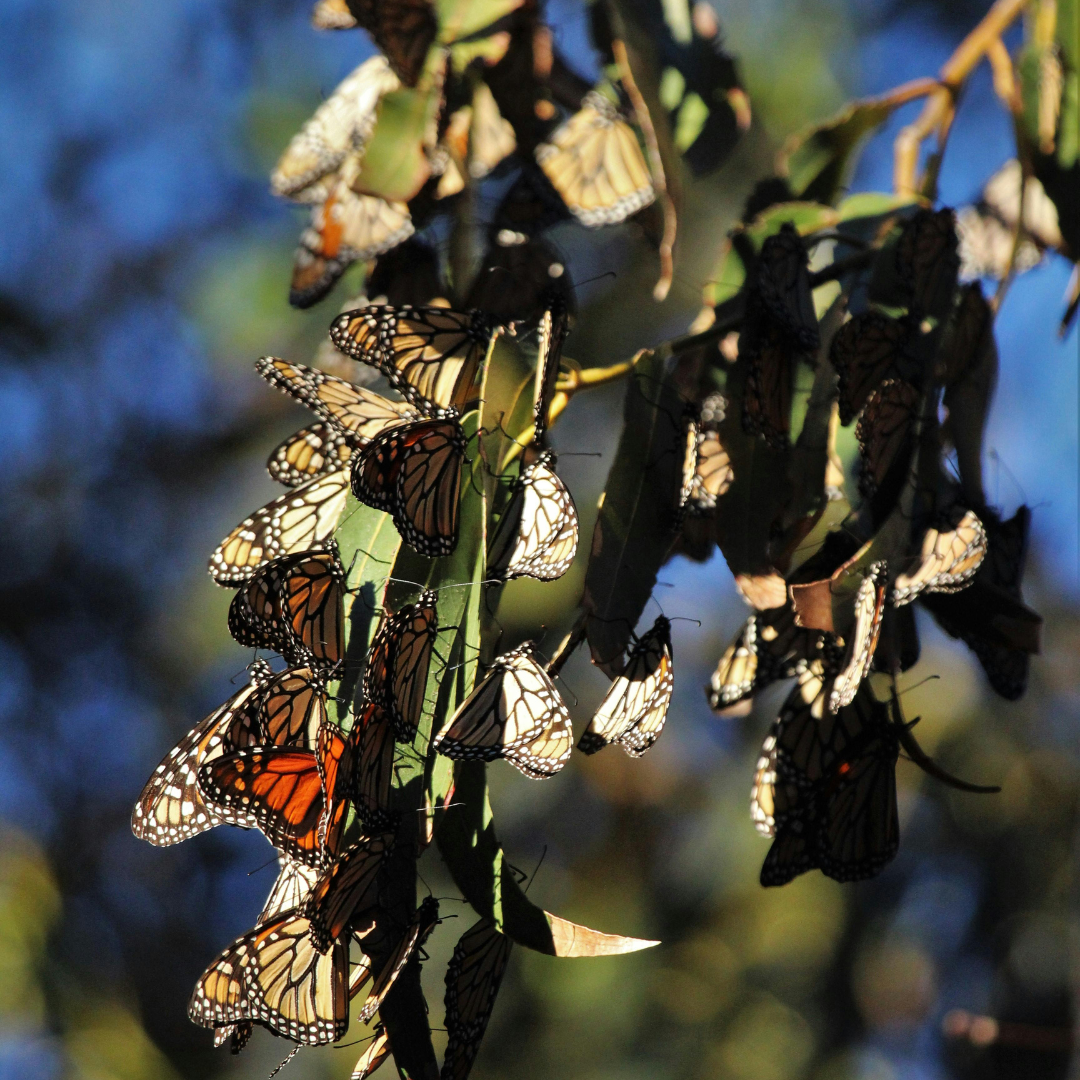
While eastern monarchs showed encouraging gains this year, the western population continues to struggle. Recent surveys along the California coast recorded just over 12,000 monarchs at overwintering sites - one of the lowest totals since monitoring began.
Although slightly higher than last year’s count, these numbers remain far below historic levels, when western monarchs numbered in the millions. Scientists are increasingly concerned that repeated low counts may signal a long-term decline, with fewer butterflies entering the breeding season each year.
Habitat loss, climate pressures, and other stressors continue to threaten this population, underscoring the urgent need for expanded conservation efforts across the western landscape.
Tracking the Monarch Migration
Radio-tagged monarch. Photo: Southwest Monarch Study
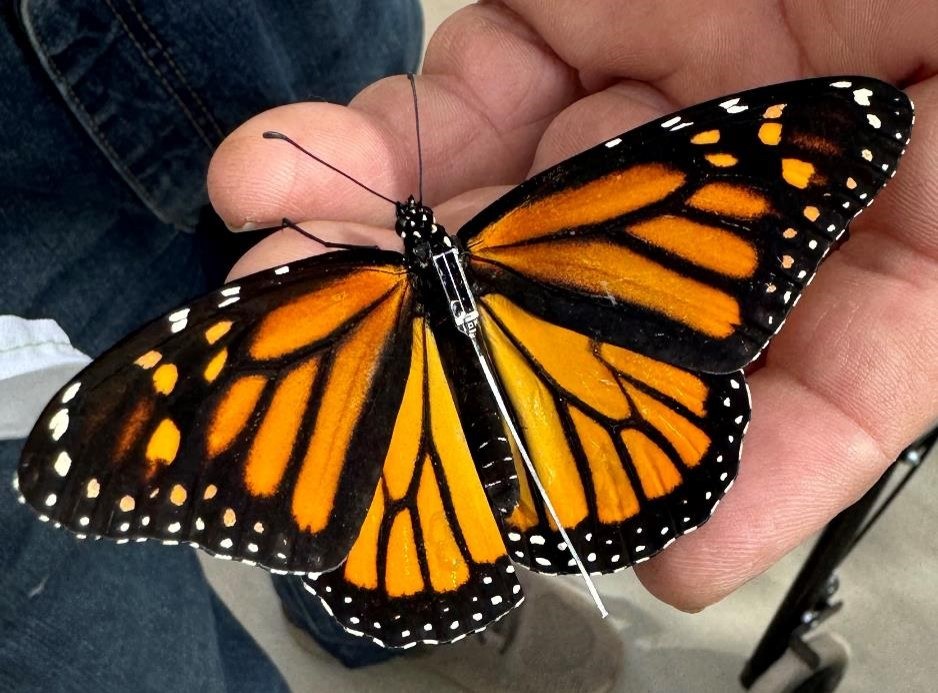
In addition to habitat conservation, researchers and community scientists are working together to better understand monarch movements through tagging and tracking efforts. By placing small, lightweight tags on monarchs during the breeding season, scientists can gather valuable data about migration routes, timing, and survival.
These efforts rely heavily on public participation, with volunteers across North America helping to tag monarchs and report sightings. The data collected provides critical insights that guide conservation strategies and help scientists respond to changing environmental conditions. Tracking monarchs not only advances research but it also connects people directly to one of nature’s most extraordinary migrations.
Take Action Resources from Pollinator Partnership
Planting Guides: Region-specific recommendations for native, pollinator-friendly plants
- Ecoregional Planting Guides: Region-specific resources that recommend native plants suited to local ecosystems, helping people create effective habitat for pollinators and other wildlife.
- Find Your Roots Tool: Create your own native plant list for pollinator support.
- Garden Recipe Cards: Easy to follow guidelines for creating home pollinator gardens that provide diverse forage across growing seasons.
Get involved with us!
- Bee Friendly Gardening: Your space can provide support to pollinators and other wildlife- no lawn, garden, balcony, or window box is too small!
- Bee Friendly Farming: You can help preserve and protect the pollinator populations by implementing positive, incremental changes on your property.
- Pollinator Week (June 22-28, 2026): Join the movement to protect pollinators by planting native flowers, reducing pesticide use, and sharing what you learn with your community. Every action big or small helps create a healthier world for pollinators, people, and the planet.
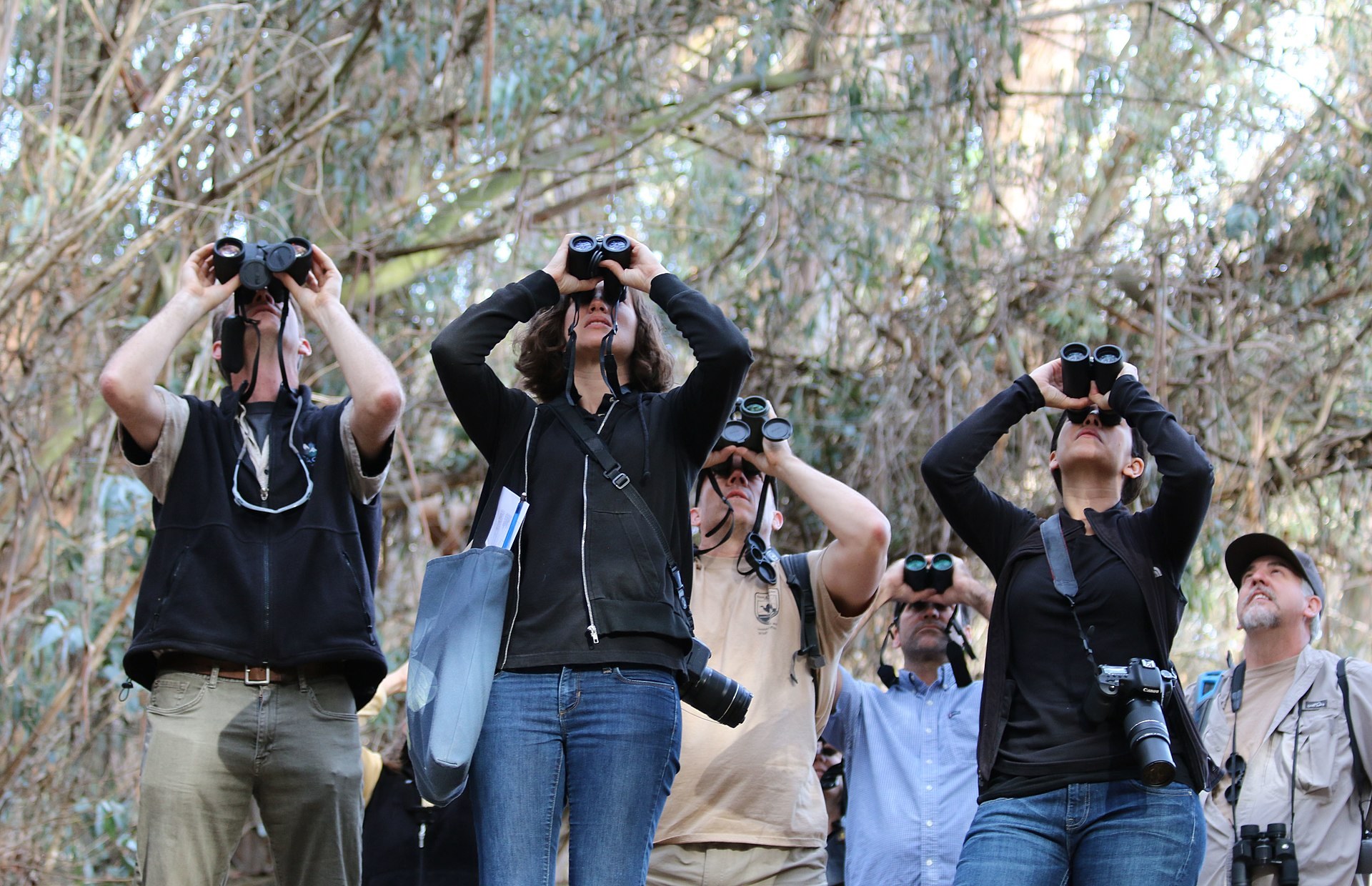
Viewing monarchs with binoculars. Photo: Pacific Southwest Region USFWS