From Our Friends at Ernst Seeds: Debunking Common Misconceptions About Native Seeds by Ernst Seeds, guest author
Published March 27, 2026
Pollinator Partnership is proud to partner with Ernst Conservation Seeds on a two-part series tackling common misconceptions about native plant seeds from complementary angles.
Founded more than 60 years ago, Ernst has grown into the largest producer of native seed in the eastern United States, supplying regionally adapted grasses and wildflowers for restoration, reclamation, habitat development, and conservation projects. Ernst’s team works at every stage of the process, from field production and seed cleaning to testing, storage, and custom mix development.
In this guest post, Ernst focuses on the practical realities of sowing and establishing native seeds. What does it really take to achieve strong germination and long-term success?
Don’t miss our companion article over on Ernst’s website, which explores ecological and pollinator-focused myths to round out the conversation.
In the sections below, the experts at Ernst will clarify:
Whether native plant seeds require maintenance
What to expect after seeding in year one
How long seed remains viable
Why proper seeding rates matter
How technique influences long-term results
Let’s begin with the most persistent misconception.
Myth #1: Do Native Plant Seeds Thrive Without Any Maintenance?
Bucket of native flower and grass seeds gathered from the Waterfowl Production Area in South Dakota. Photo: Kate Miyamoto, USFWS
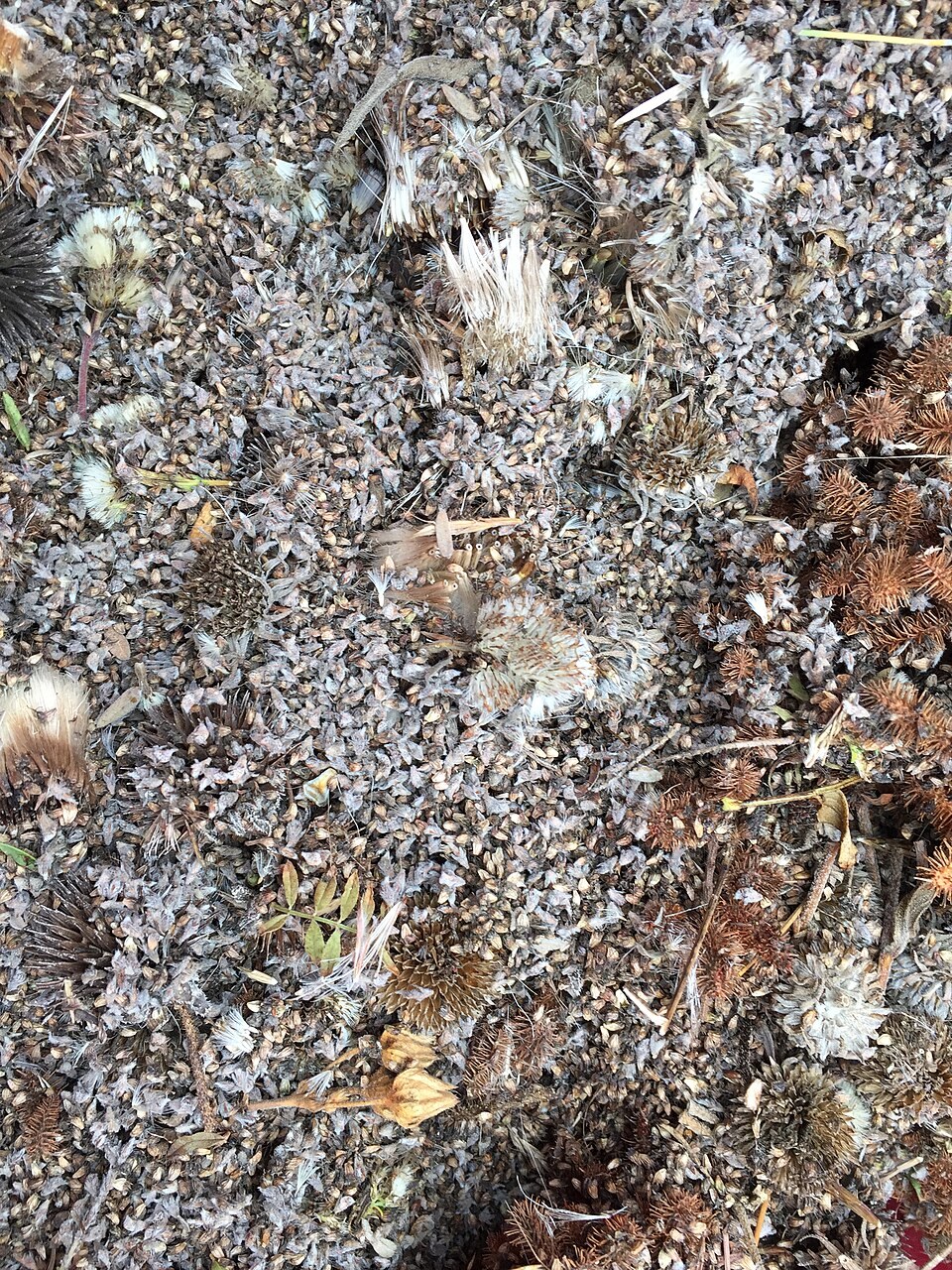
No. Native seeds are resilient, but they are not “set-it-and-forget-it.” You wouldn’t plant a garden and just expect it to flourish without attention, and native seedings are no different.
The misconception that native plants require zero care often leads to poor establishment. Success starts long before seed hits the soil. Thoughtful site preparation sets the stage by reducing competition, improving seed-to-soil contact, and aligning planting with appropriate seasonal timing. Without that foundation, even high-quality seed can struggle.
Before and after sowing, focus on these core maintenance tasks:
Site preparation: Remove or suppress existing vegetation, address soil compaction, and prepare a clean, firm seedbed.
Proper timing: Seed when soil temperature and seasonal conditions support germination.
Weed management: Monitor early growth and control aggressive weeds.
Selective mowing: Use strategic mowing to reduce competition during establishment.
Watering if needed: Support germination during extended dry periods.
Ongoing management during the first one to two years is especially important. With consistent monitoring and maintenance, native seedings can transition from vulnerable seedlings to stable, thriving plant communities.
Myth #2: If Native Seeds Don’t Sprout in the First Year, Does That Mean They Failed?
Native seed bank. Photo: Sarah Kulpa, USFWS.
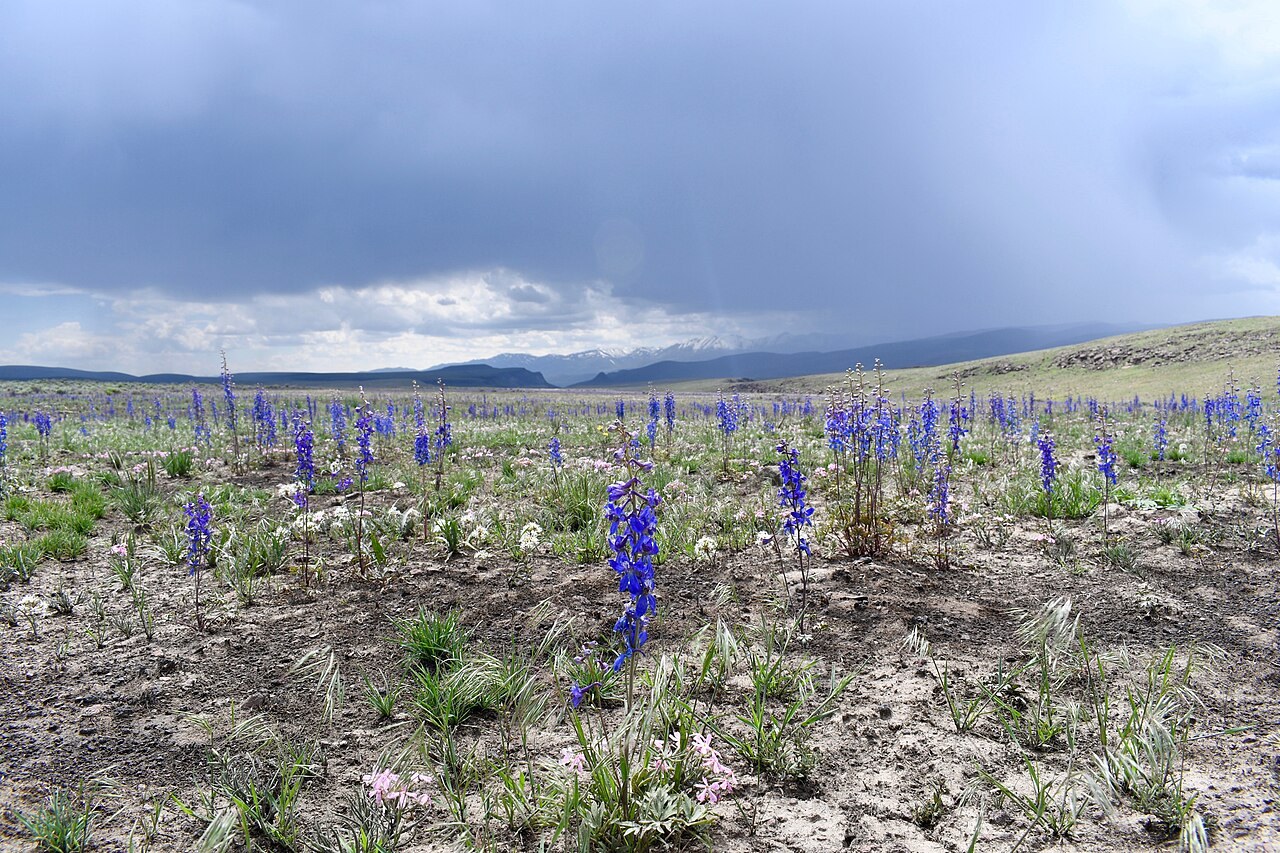
No, a quiet first year does not equal failure. Many native species invest heavily in root development before producing noticeable top growth, and some seeds may take more than one season to germinate.
It is critical to understand establishment timelines and dormancy. Some seeds require cold stratification or specific seasonal cues before they break dormancy. Others prioritize building deep, resilient root systems in year one, delaying flowering and visible density. As a result, early plantings often look sparse or even “weedy,” especially in diverse meadow systems.
Several factors influence what you see in year one:
Dormancy mechanisms: Some species need extended cold, moisture, fluctuating temperatures, scarification, and other techniques.
Soil temperature: Germination depends on species-specific thresholds.
Moisture patterns: Inconsistent rainfall can stagger emergence.
Root establishment may be difficult to monitor, so vegetative growth can be used as a proxy, but expect gradual progress either way.
Myth #3: Are Native Seeds Always Viable, or Do They Expire?
Seed collection packet. Photo: James Hart
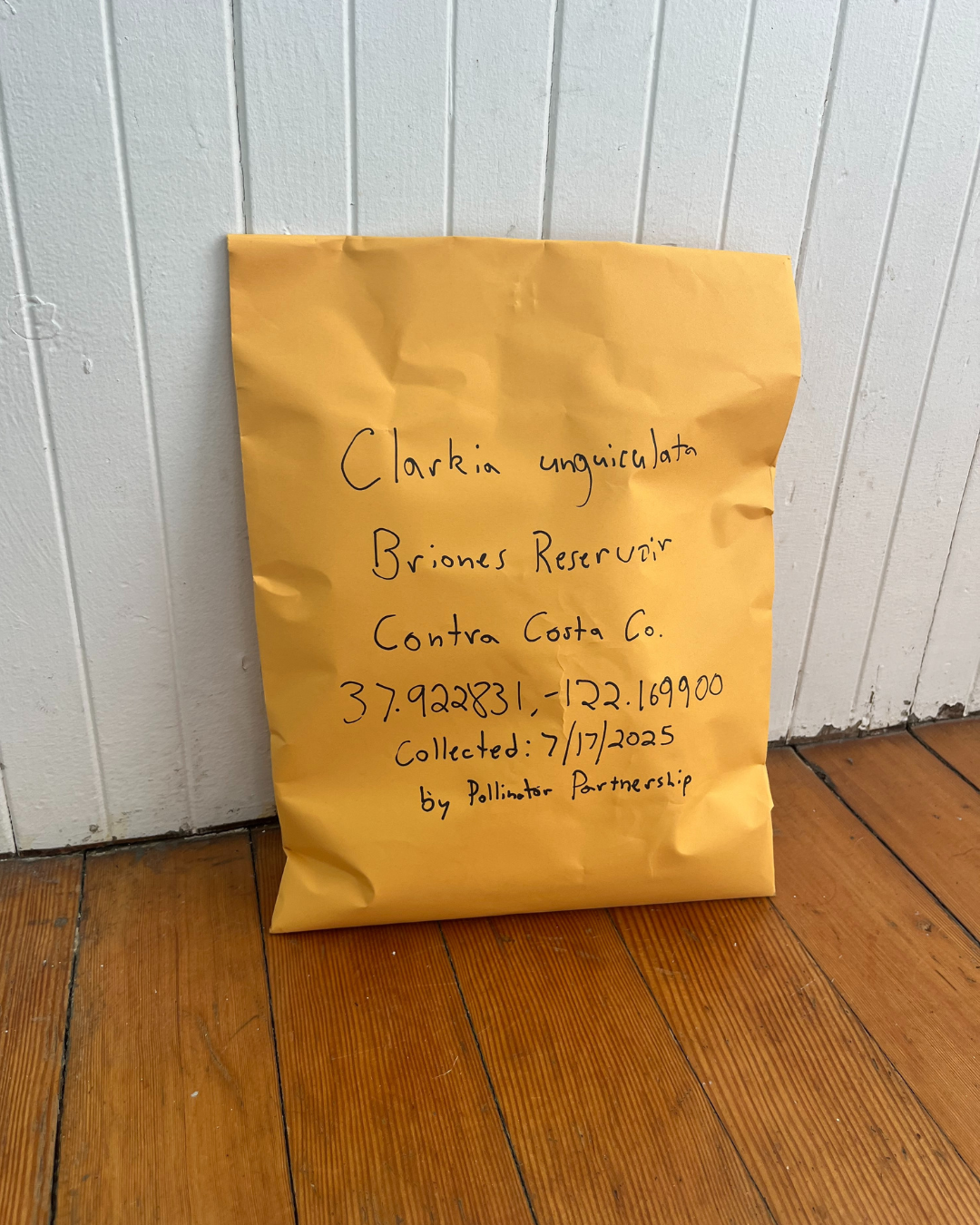
Native seeds do have a shelf life, and viability is not the same across all species. Fresh, properly stored seed performs best, while older seed can experience gradual or abrupt declines in germination depending on the species.
In general, most native seeds remain viable for three to four years when stored correctly. After that, germination rates may drop off, sometimes slowly and sometimes sharply. Storage conditions play a decisive role. Heat, excess humidity, and sealed, non-breathable packaging can accelerate degradation and reduce stand success.
To preserve seed viability, follow these best practices:
Store at approximately 50°F and 50 percent relative humidity.
Use breathable containers or bags.
Avoid warm, damp environments.
Rotate inventory to prioritize fresher seed.
Quality seed handling protects investment and improves establishment outcomes.
Myth #4: Does Sowing More Seed Ensure a Better Native Plant Stand?
Native pollinator habitat in the Midwest. Photo: Amber Barnes
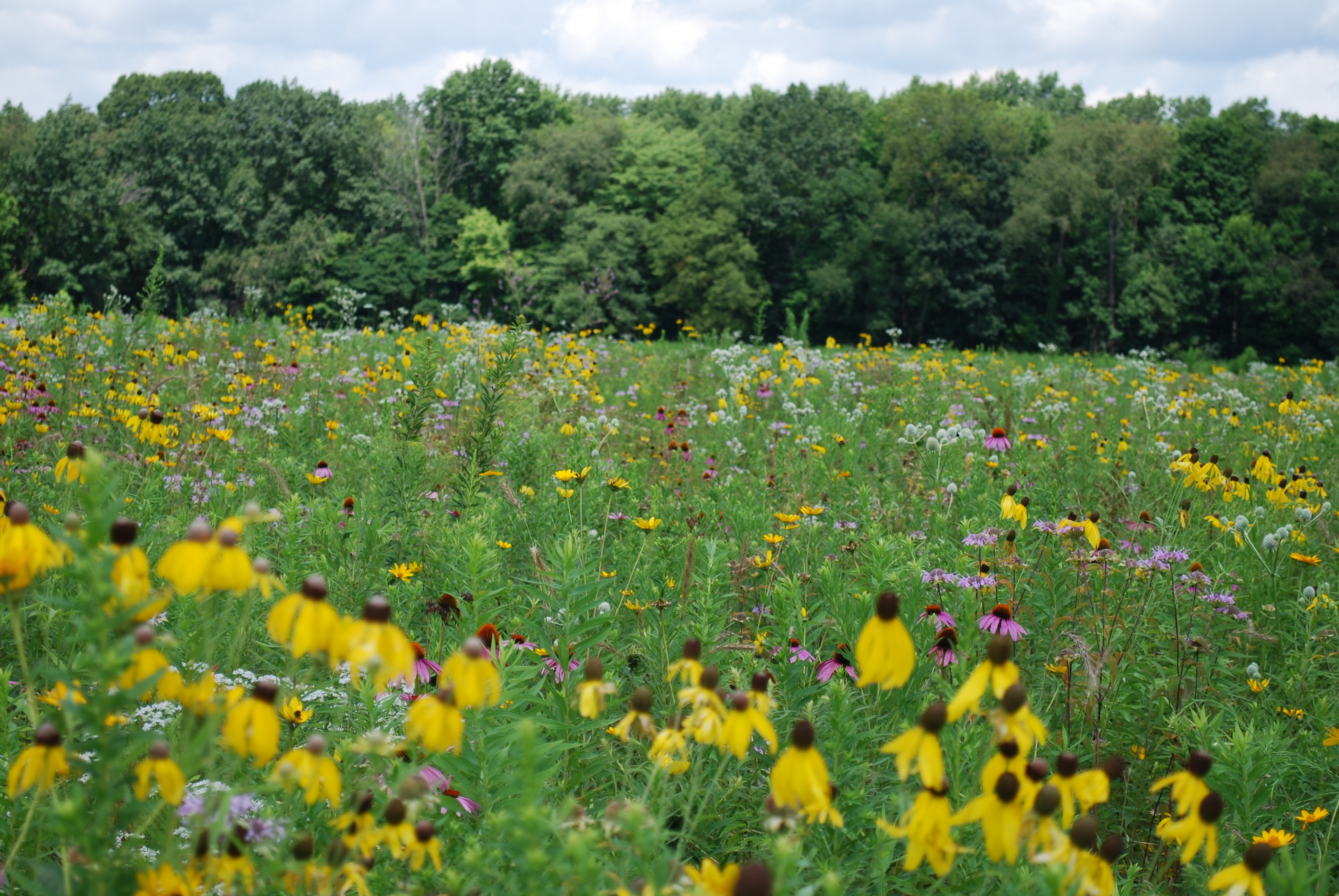
No, more seed does not automatically mean more success. Optimal seeding rates are designed to balance plant density, species diversity, and long-term stand health.
When rates are too high, seedlings compete intensely for light, nutrients, and moisture. This crowding can produce weak growth and a less desirable stand. When rates are too low, open soil invites aggressive weeds to move in and dominate. The goal is moderation, not maximum volume.
Here is how seeding rates influence outcomes:
Too high: Excess competition, reduced vigor, and uneven species expression.
Too low: Gaps in coverage, increased weed pressure, slower canopy closure.
Your objective also matters. Wildlife habitat, pollinator value, and aesthetic plantings may require different approaches. For example:
Bird and small mammal habitat: Slightly more structural diversity and spacing.
Pollinator-focused plantings: Balanced density to encourage bloom diversity.
Formal or aesthetic areas: More uniform coverage.
Consulting a professional helps align seeding rates with site conditions and goals.
Myth #5: Can You Really Mess Up Seeding Native Plants?
Hand broadcasting seed. Photo: Ryan Mollnow, USFWS.
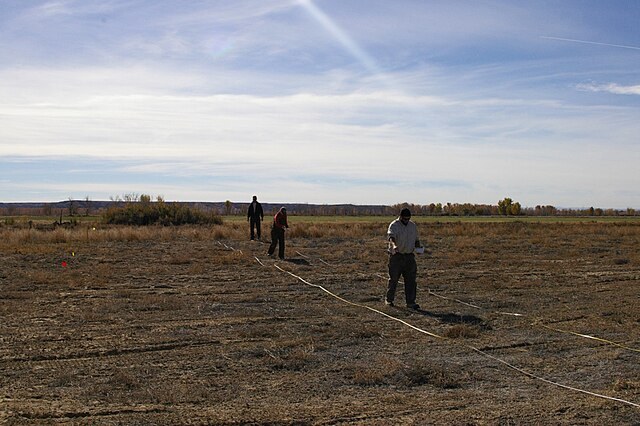
Yes. Native plant seeding is not foolproof simply because “it’s nature.” Good intentions do not replace good technique. Seeding depth, timing, soil contact, and competition management all matter enormously.
Many native seeds are small and require precise placement. Seed buried too deeply may never emerge. Seed left sitting loosely on the surface may dry out or wash away. Even high-quality seed can underperform if site preparation is rushed or weed pressure is ignored. Establishment is a technical process, not a casual one.
Below are common mistakes and how to avoid them:
Planting too deep: Follow recommended depth guidelines, especially for small-seeded species.
Poor seed-to-soil contact: Ensure firm seed-to-soil contact through proper seedbed preparation and post-seeding actions (if needed).
Wrong timing: Align seeding with seasonal cues and soil temperatures.
Ignoring competition: Control existing competing vegetation before and after planting.
Attention to detail during installation protects your investment and sets the stage for long-term success.
Overcoming Misconceptions About Native Seeds Together
Native seed success takes intention, knowledge, and attention to detail. We thank Ernst Conservation Seeds for sharing its decades of practical expertise and experience in native seed production and habitat restoration.
Don’t forget to read our companion article on Ernst’s website, where ecological and pollinator-focused misconceptions are explored in depth, and discover tools, guides, and planting inspiration from both organizations to support thriving landscapes.
Explore Pollinator Partnership’s resources and Ecoregional Planting Guides to connect seed choices with pollinator needs.
Quick Summary
This guest post from Ernst Conservation Seeds addresses common Misconceptions About Native Seeds related to production, viability, seeding rates, and establishment. It explains why native seedings require proper site preparation, realistic timelines, thoughtful storage, and calibrated seeding rates to succeed. By separating myth from practice, the article provides practical guidance for achieving strong germination and long-term stand health.
Native Seed Production and Establishment FAQs
Do native seeds really require maintenance after planting?
Yes. Proper site preparation, early weed control, and monitoring during the first one to two years are critical for successful establishment.
How long do native seeds remain viable?
Most native seeds remain viable for three to four years when stored properly, though longevity varies by species. Warm or humid storage conditions can shorten that window.
Is it better to overseed to ensure a dense native planting?
Not necessarily. Seeding too heavily can create competition among seedlings, while seeding too lightly can leave space for weeds.