Gardening for Pollinators Where Rules Apply: HOA and Municipal Bylaws Made Easier by Sara Wittenberg, Bee Friendly Gardening Manager, Pollinator Partnership
Published January 28, 2026
As more people learn about the benefits of converting conventional turfgrass lawns into thriving habitat that provides ecosystem services, from feeding bees to filtering stormwater, they are taking action in their own spaces; however, many meet resistance from their municipality or HOA. Despite all of the benefits pollinator habitat provides, these landscapes are often misunderstood or restricted by outdated bylaws established by cities attempting to prevent overgrown weed lots or HOAs hoping to maintain a certain aesthetic. These bylaws shape millions of residential landscapes across North America in ways that are detrimental to pollinators and wildlife. The good news is that many homeowners have decided to challenge these rules, some with great success, and the resulting policy shifts are paving the way for the rest of us to install beneficial habitat.
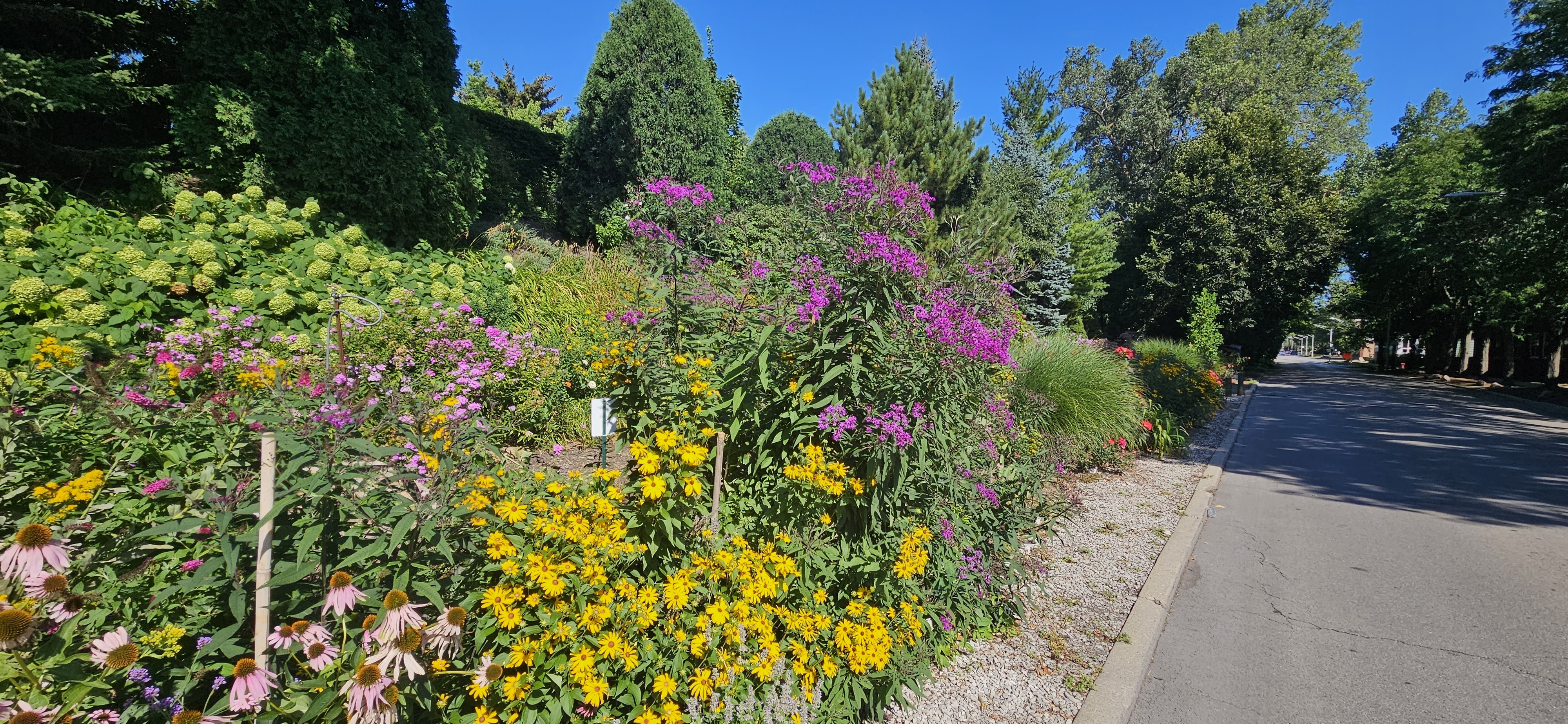
Pollinators don’t stop at property lines. Photo: Scott Fink
1.9% of the U.S. is turf.
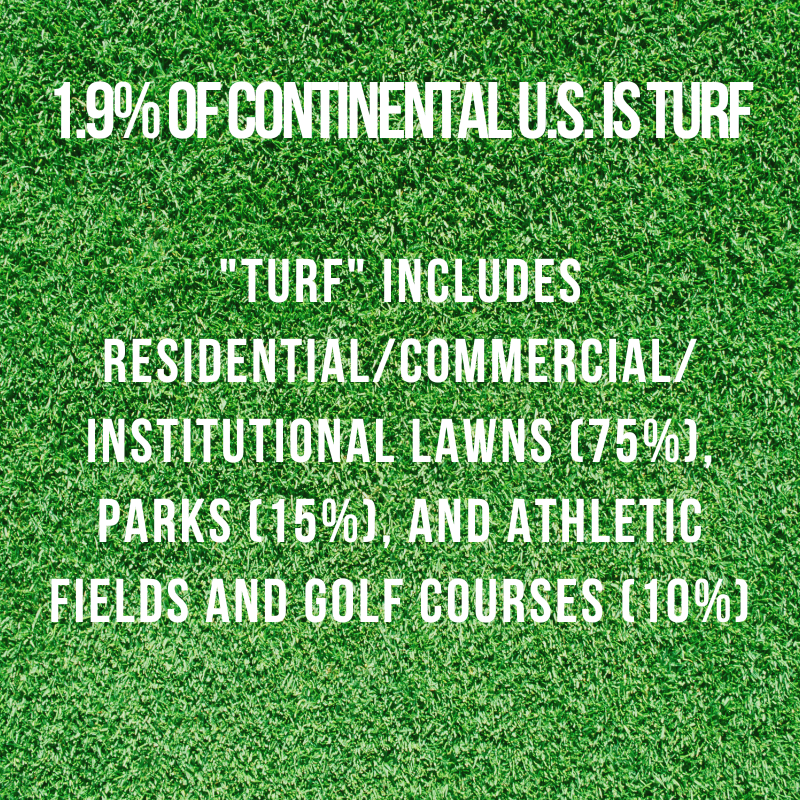
Common regulations established by these city codes and HOA bylaws limit vegetation height, define “weeds”, and limit approved plants, often favoring ornamental or even invasive species. These bylaws often stand in direct opposition to quality native pollinator habitat, which is defined by native flowering plants, that may exceed the minimum height standard, fall under an archaic definition of “weeds”, and require reduced mowing frequencies. As each city or neighborhood governing body makes these decisions, they may overlook the scale at which their decisions matter; nearly 2% of the continental US consists of turfgrass, and it is the largest irrigated crop (Milesi et al. 2005). These rules repeat throughout many North American cities and housing developments and collectively can have a significant negative ecological impact.
Regulations are put in place for reasons most can appreciate – HOAs and municipalities, understandably, want neatness, safety, and property value protection. Sometimes they are implemented and enforced by individuals who may not fully understand the long-term ecological consequences of these regulations; many conflicts between governing agencies and homeowners arise from common misunderstanding or lack of knowledge. These bylaws frequently contain confusing or vague language. Enforcement is grounded solely in aesthetics, often without taking into account scientific or ecological merit, and perhaps in tandem with fines or forced removal, which any homeowner prefers to avoid. Pushing back against these regulations can be costly in terms of time and expense; examples include homeowners hiring lawyers and fighting these regulations in court.
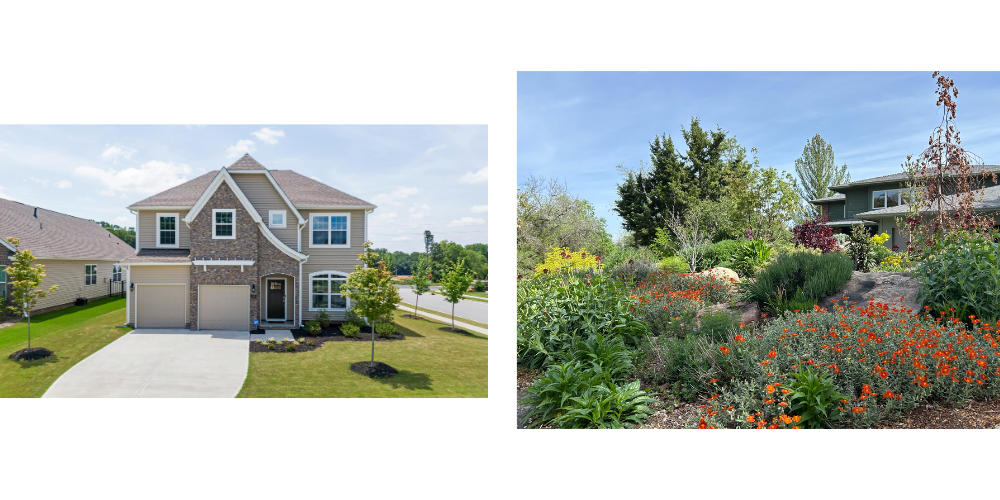
Traditional turfgrass lawn versus native pollinator garden. Photo (left): Curtis Adams. Photo (right): Dolly Higgins
“The good news is that people are starting to fight back—both individually and in groups organizing to urge for the reform of outdated and anti-ecological “grass and weeds” bylaws in their communities.”, says Lorraine Johnson, author of A Northern Gardener’s Guide to Native Plants and Pollinators: Creating Habitat in the Northeast, Great Lakes and Upper Midwest, and tireless agent for municipal code change. “It’s only when people stand up and fight back, or work proactively with their municipalities to change these bad bylaws, that habitat gardens will be safe from arbitrary enforcement.”
For those who want to stand their ground and advocate for pollinator-friendly landscaping, it is important to recognize that the priorities that dictate the bylaws can often coexist with pollinator friendly landscapes. Fortunately, homeowners do not have to navigate this process alone.
Guide to Guides for Residential Communities
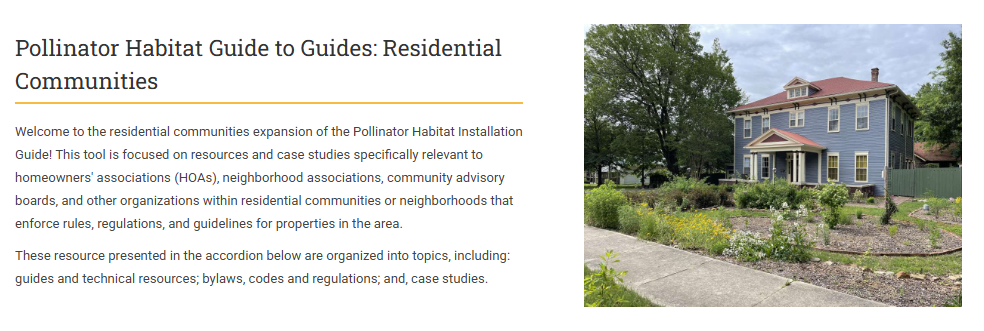
We want to introduce Pollinator Partnership’s Guide to Guides Residential edition, a curated collection of trusted resources containing valuable content such as where to begin, regional examples, sample language, and case studies. This Guide is designed for homeowners, native habitat advocates, and local leaders positioned to enact meaningful change. Whether you’re writing a proposal to your HOA board or responding to a notice from your city code enforcement agency, we know you will find resources here to assist you in your endeavor.
Pollinator Partnership’s newly released Guide to Guides Residential Edition
This community garden in Michigan doubles as pollinator habitat. Photo: Scholl Community Garden
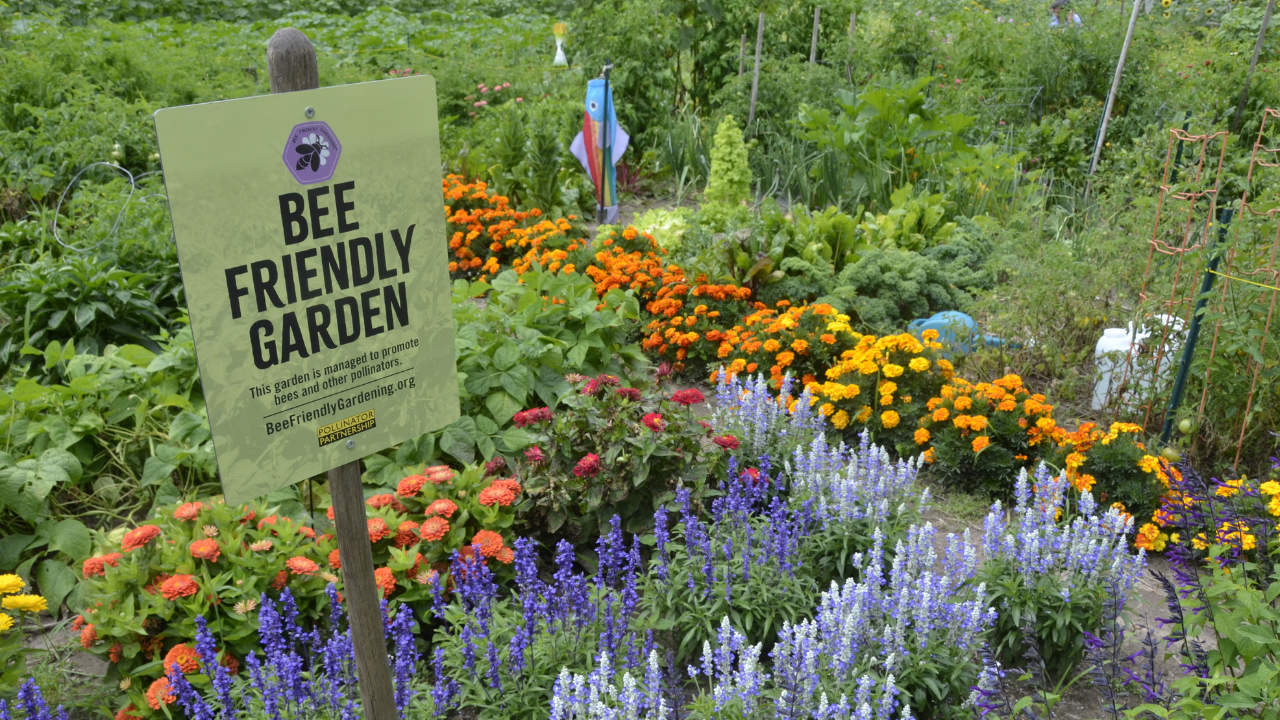
We can all learn a lot from those who came before us – leaders in natural garden advocacy and bylaw reform, and those who have decided to stand their ground. Some have had a relatively smooth pathway, while others have had to take legal action. But the effort can be well worth it, as sometimes high-level officials take notice, and laws are enacted at the state level. In 2024, Illinois Governor J.B. Pritzker signed the Native Homeowner’s Landscaping Act into law, which promotes “biodiversity and environmental sustainability by allowing homeowners to plant native species in their yards even in condominium, homeowner (HOA) and townhome community associations.” This legislative action has a measurable and positive impact on the environment across the state.
If you are seeking to enact this kind of change in your own city or state, some key ideas to keep in mind are to:
- Build coalitions of like-minded people
- Use education and dialogue to reach your goals
- Consider the opposite perspective
- Focus on the idea that policy change creates lasting habitat beyond individual gardens.
We want to empower you to be the agent of change in your own community. Some easy first steps include:
- Read and understand your local codes and bylaws
- Document garden intent with signage or plans; members of Bee Friendly Gardening meeting resistance can request a letter of support for their registered Bee Friendly Garden
- Share science-based resources
- Use existing guides rather than starting from scratch
- Engage boards and councils early and collaboratively
- Maintain a calm, informed, and persistent demeanor – avoid confrontation
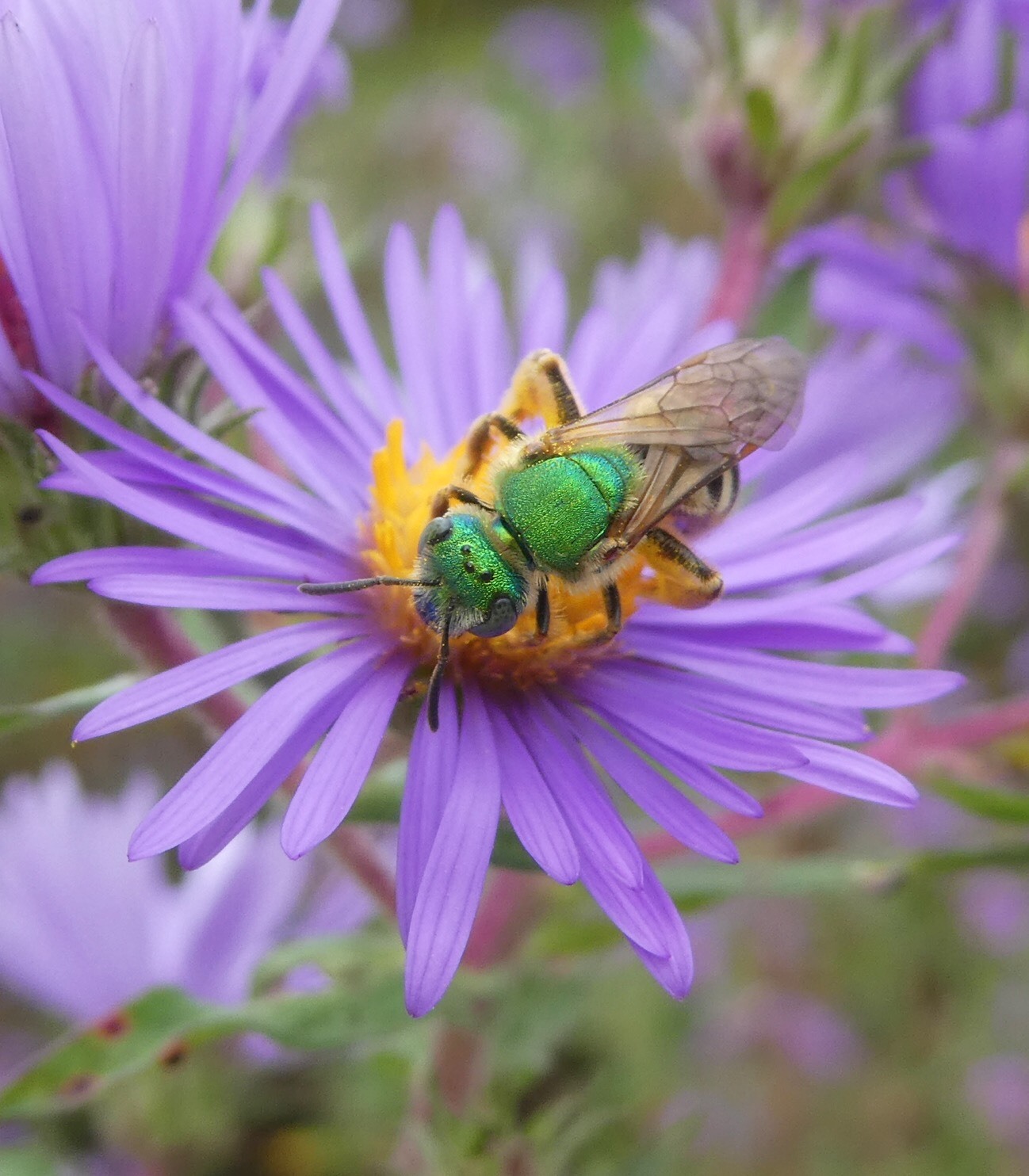
Metallic sweat bee. Photo: Amber Barnes
As you decide to take this very important task on, just remember – landscapes and policies can both evolve. Sharing resources with your lawmakers and code enforcers, and starting conversations in your community, are both conservation actions that can have positive impacts on wildlife. Pollinator-friendly change often starts at home—but it doesn’t have to stop there. Johnson calls for “greater clarity and alignment between municipal goals and enforcement. Supportive residents should feel empowered—not penalized—for contributing to a healthier urban ecosystem.” Bee the change you hope to see in your community.