
Sarah Red-Laird, Bee Regenerative Executive Co-Director
Food, spices, oils, and fibers – pollinators excel at making these items possible. The complexity of the pollinator world is astounding because of the roles they play and their vitality to healthy ecosystems. We celebrate these achievements through the incredible people and projects that are working to conserve pollinators. We hope these stories encourage and empower you to better understand who our pollinators are and what actions you can take to help them. This month we interviewed Sarah Red-Laird, the Executive Co-Director of Bee Regenerative, a nonprofit organization advancing pollinator conservation through applied research partnerships on working ranches and vineyards across Montana, South Dakota, Oregon, and California.
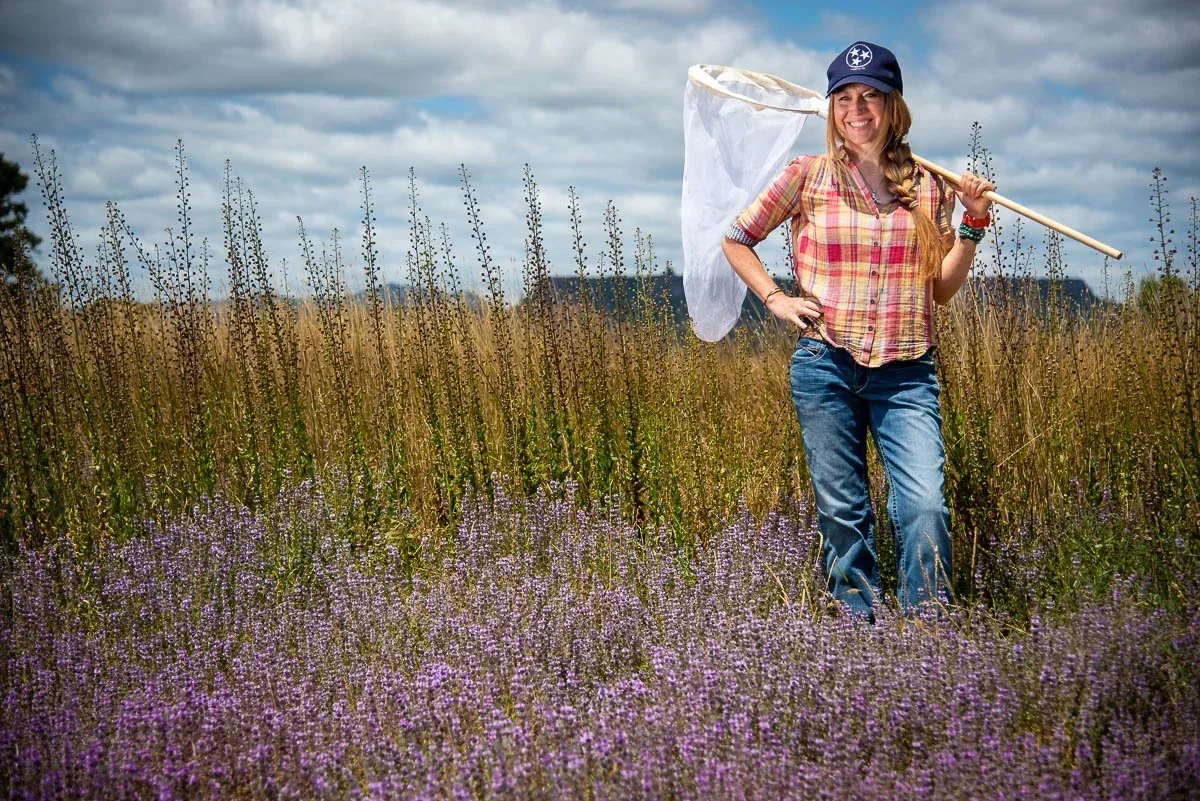
Sarah Red-Laird. Photo courtesy of Bee Regenerative
1. How would you describe your organization in 2-3 sentences?
Bee Regenerative’s mission is to inspire and advance bee conservation on agricultural landscapes. We advance pollinator conservation through applied research partnerships on working ranches and vineyards across the American West. We conduct multi-year field studies documenting bee communities on bison ranches, cattle operations, and vineyards—translating scientific findings into practical land management strategies while building genuine relationships with agricultural producers. Our work proves that ranches and vineyards can serve as critical pollinator refugia when managed with intention, and we use science, storytelling, and art to inspire conservation action from producers to consumers.
2. How did your organization start?
Bee Regenerative, originally the Bee Girl Organization, was founded in 2010. After studying resource conservation at the University of Montana, I wanted to share my passion for honey bees with people—especially kids. In 2012, in addition to my beekeeping educational programs, I started the Bee Friendly Vineyards program, helping growers up in Oregon’s Rogue and Willamette Valleys to plant pollinator habitat and adopt regenerative practices. That work led to larger ecological restoration efforts, including a five-year collaboration with The Nature Conservancy and the Oregon Department of Transportation on a 200-acre vernal pool restoration project that earned a state “Wetland Award” in 2019 from the Oregon governor’s Land Board.
As the restoration work drew to a close, our work expanded into work with bison and cattle ranchers across Montana and South Dakota, researching how grazing practices influence native bee and honey bee communities.
In 2024, we rebranded as Bee Regenerative to reflect our evolution from a one-person education effort into a team conducting rigorous field research, supporting producers, and demonstrating that agriculture and pollinator conservation can thrive together.
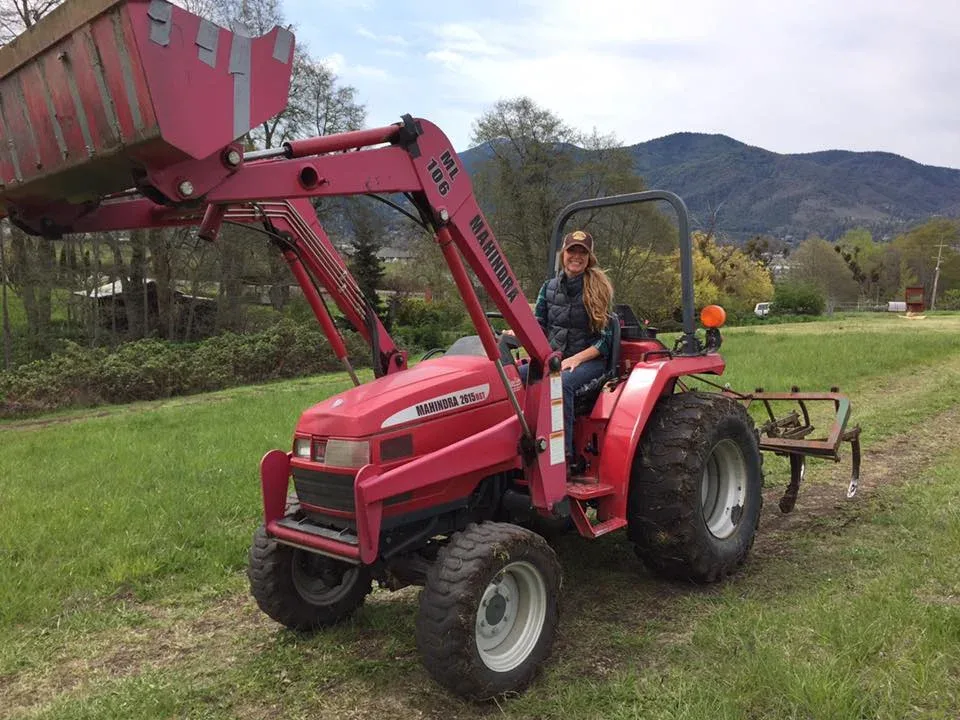
Photo courtesy of Bee Regenerative.
3. What got you interested in pollinators?
I never planned to dedicate my life to bees, but after scoring an internship at Dr. Bromenshenk’s honey bee lab in college– everything changed.
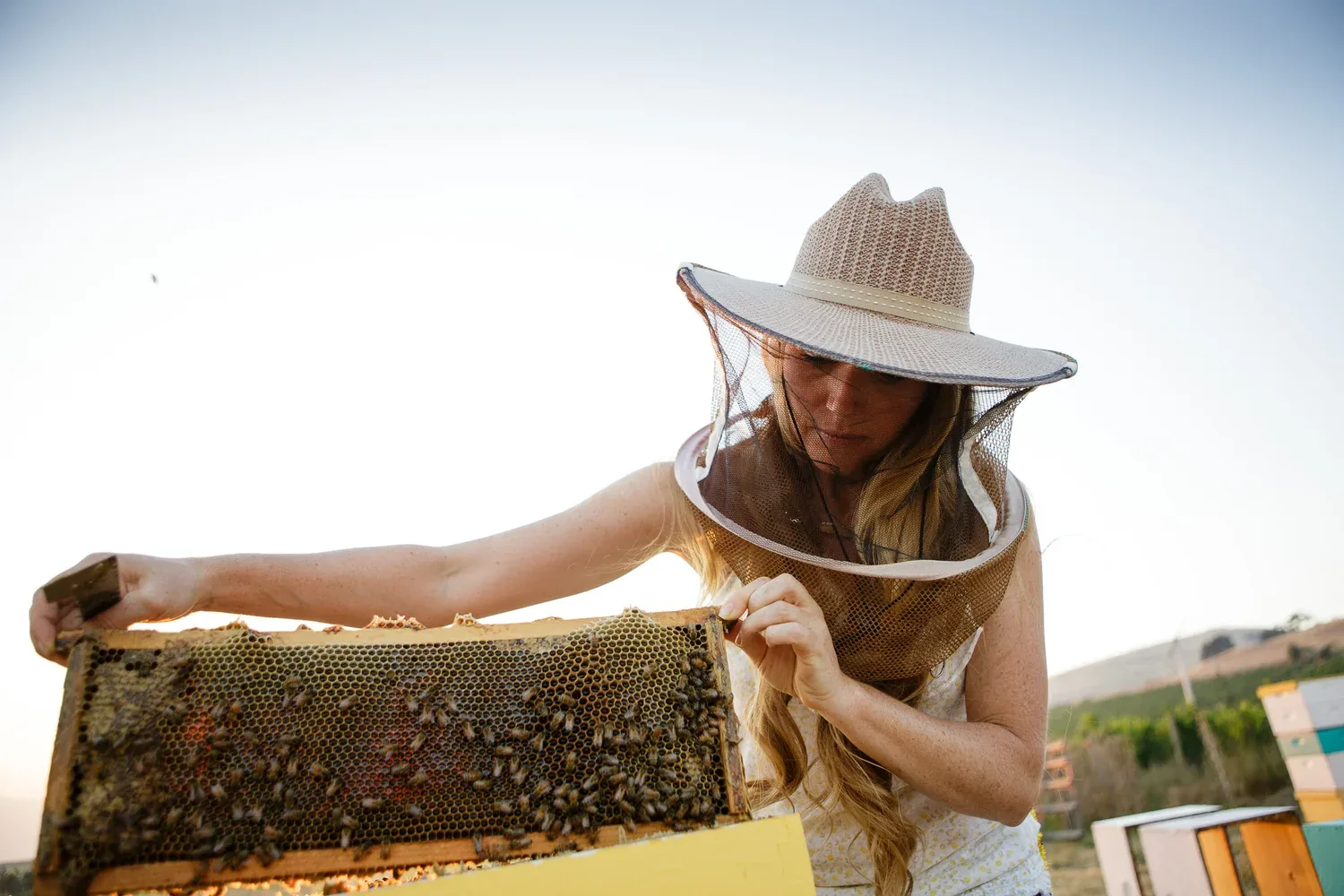
The first time I opened a honey beehive, I was mesmerized.
As I learned more about native bees—the 4,000+ species in North America that most people don't even know exist—I became obsessed with bridging that gap. That disconnect, combined with the growing need for conservation on working lands, inspired me to help people see bees as essential partners in healthy ecosystems.
When a cattle rancher gets excited about finding a rare bumble bee on their property, or a vineyard manager texts me photos of wildflowers blooming between grapevines—that's when I know we're creating lasting change.
Photo courtesy of Bee Regenerative.
4. Which pollinators does your organization seek to help and what makes your efforts unique?
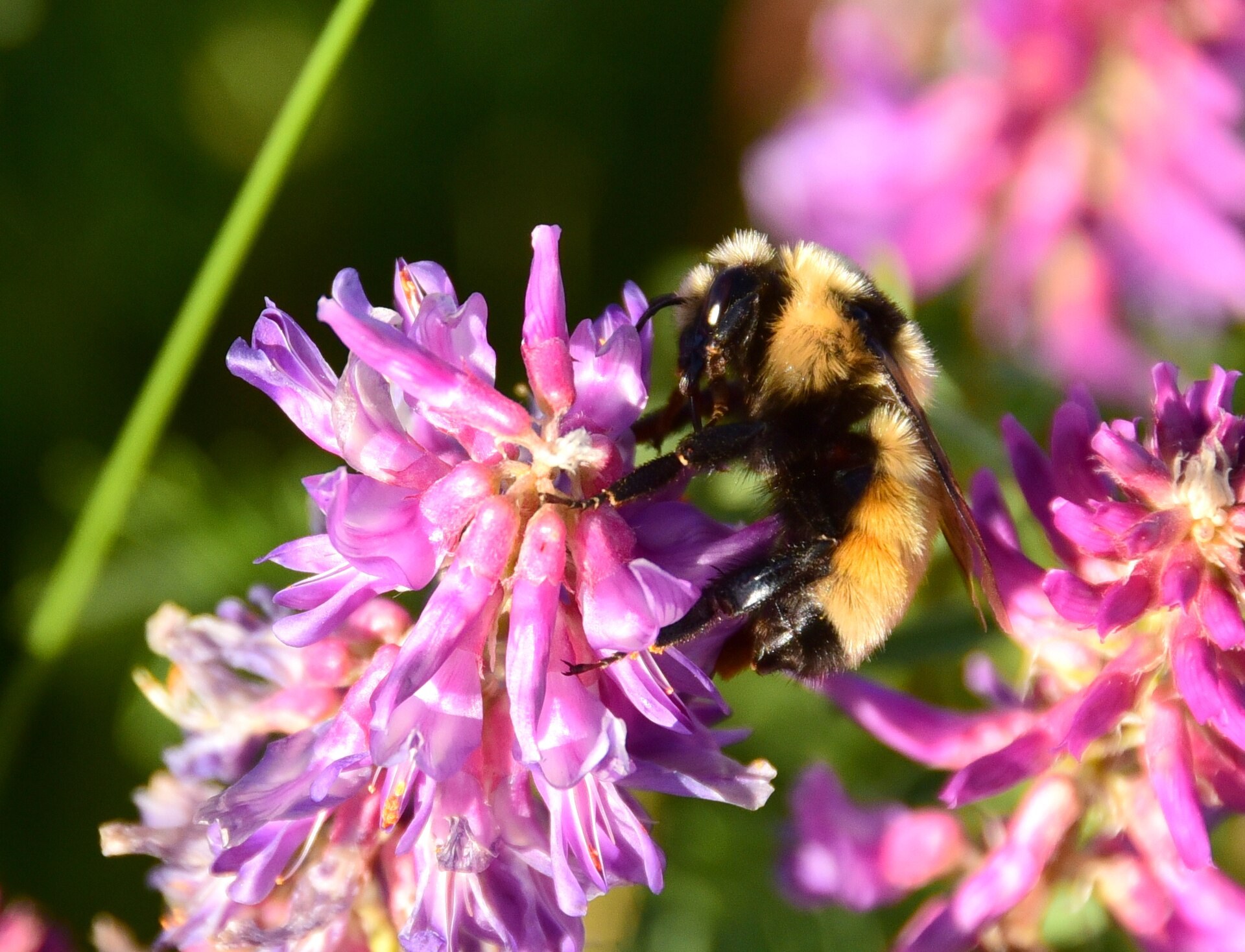
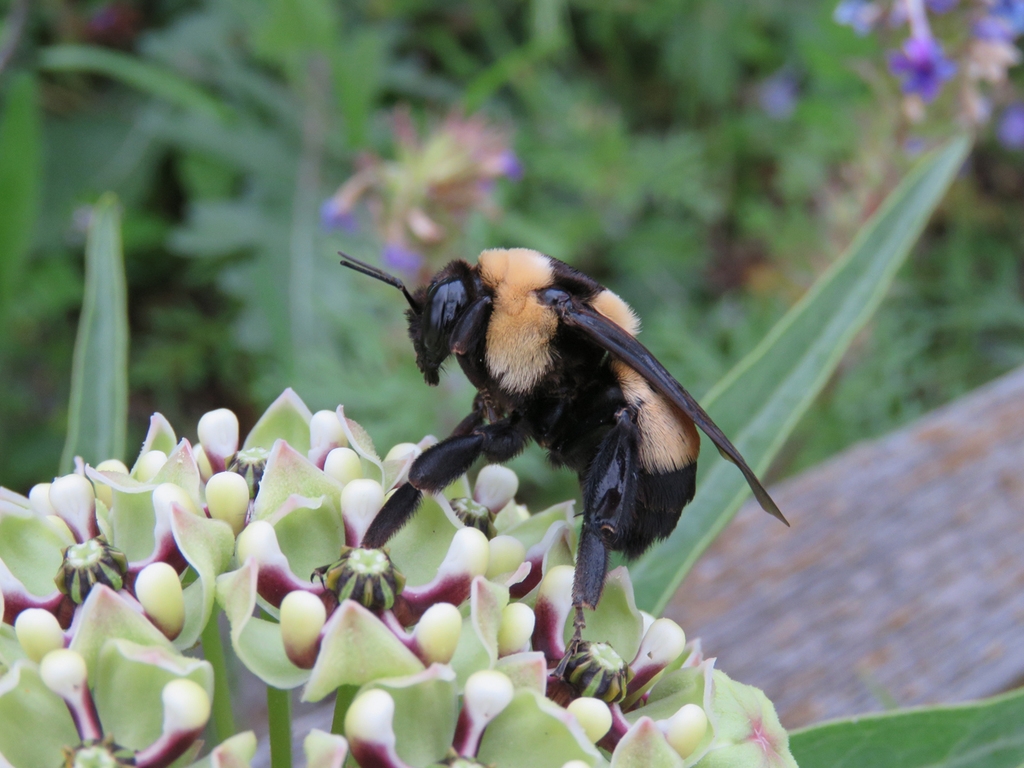
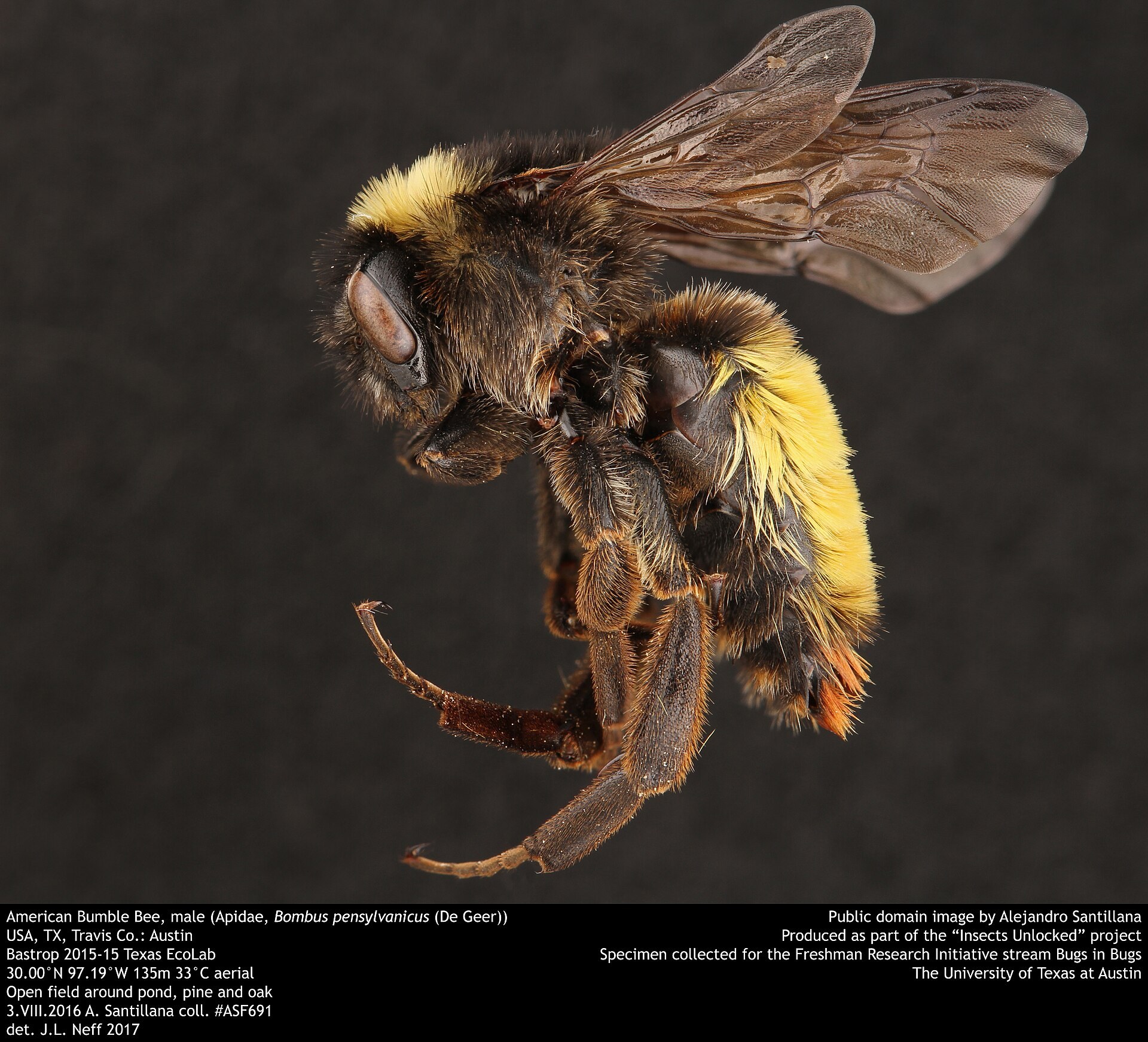
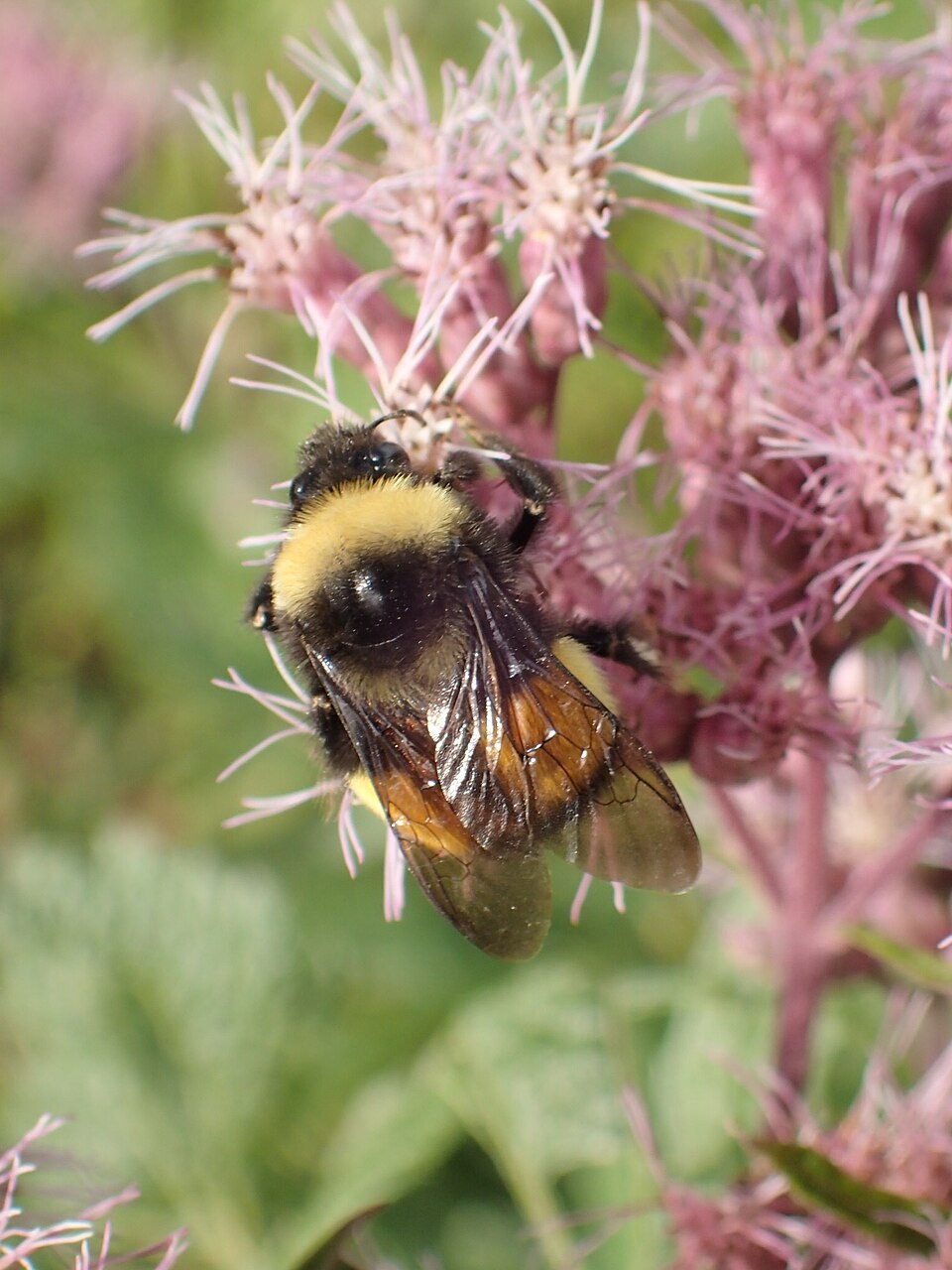
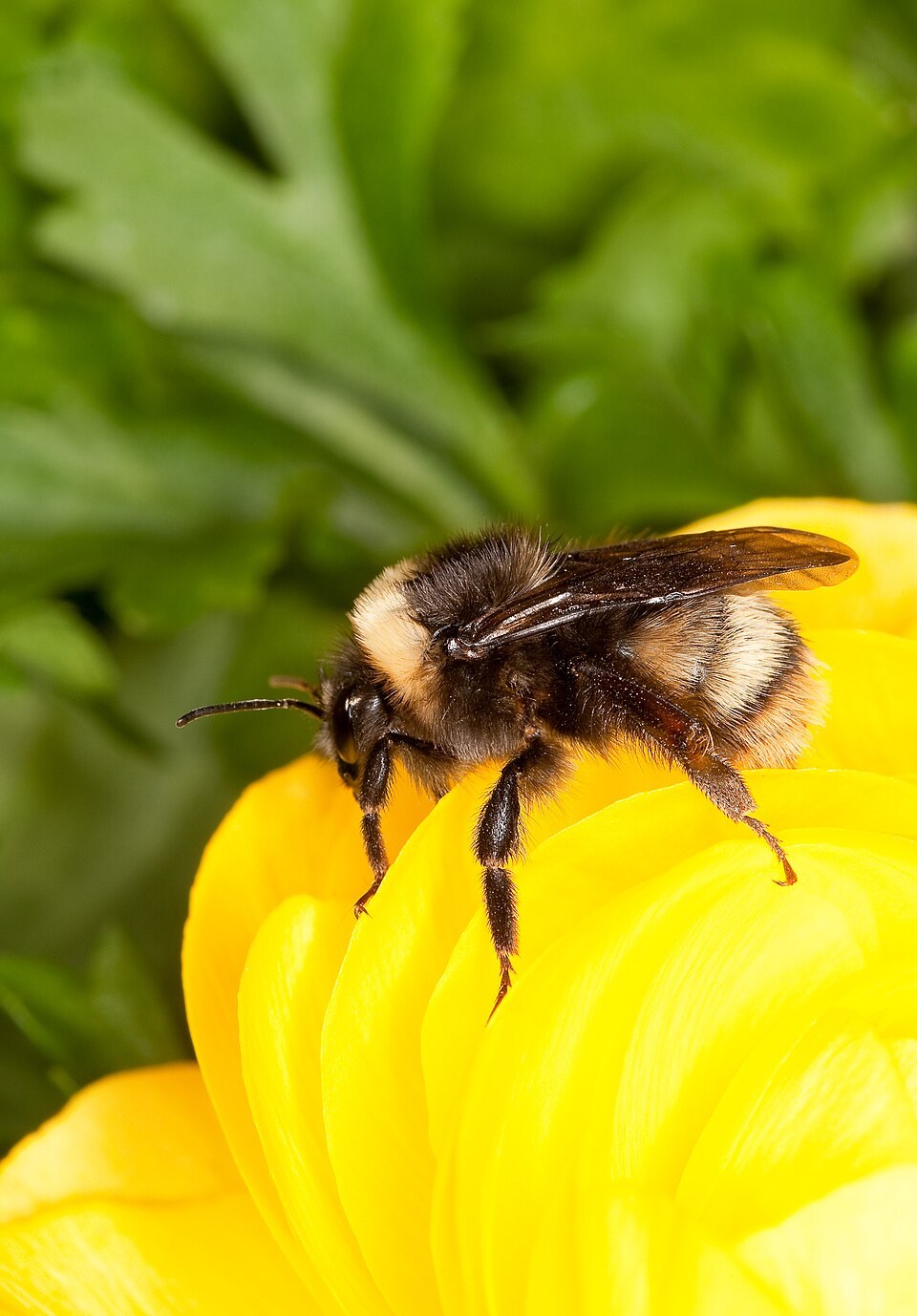
Though my original love is the honey bee, we focus primarily on the native bees that are often overlooked in pollinator conservation conversations. As native bees are so mysterious, hard to identify, and there are so many of them, the spotlight is often dominated by our littlest livestock, the charismatic honey bee. Since 2016, we've documented hundreds of native bee species across our research sites, including five species listed as vulnerable or endangered on the IUCN Red List: Bombus occidentalis (western bumble bee), Bombus fervidus (yellow bumble bee), Bombus pennsylvanicus (American bumble bee), Bombus terricola (yellow-banded bumble bee), and Bombus fraternus (southern plains bumble bee, endangered).
Yellow bumble bee (Bombus fervidus). Photo: Tom Koerner, USFWS
Southern plains bumble bee (Bombus fraternus). Photo: Henrya, CC0.
American bumble bee (Bombus pennsylvanicus). Photo: Insects Unlocked, CC0.
Yellow-banded bumble bee (Bombus terricola). Photo: Alan Harris, CC0.
Western bumble bee (Bombus occidentalis). Photo: USDA ARS
5. Where is the majority of your work taking place?
Our work spans four states across the American West: Montana, South Dakota, Oregon, and California. Montana and South Dakota are our primary research hubs, where we study how grazing management affects native bee and honey bee communities. In Oregon and California, we partner with small-scale wineries to integrate pollinator habitat and regenerative practices into vineyard systems.
6. What successes have you achieved?
We’ve documented hundreds of native bee species across our sites, including several vulnerable and endangered species, and our vineyard partners are now creating acres of pollinator habitat by reducing mowing, tillage, and pesticides. Our outreach has reached more than 105,000 people through talks, workshops, women’s retreats, media, and art exhibitions, including PBS, TEDx, and my cyanotype artwork. We’ve also built major scientific partnerships—from USDA ARS to university partners —all while helping producers embrace regenerative practices that make conservation self‑sustaining.
Success is when a cattle rancher gets excited about finding a rare bumble bee on their property and commits to preserving the host habitat (like avoiding compaction and/or grazing while in bloom), or a vineyard manager texts me photos of wildflowers blooming between grapevines. They start seeing the beauty and ecological function, not just for their animal or crop, but for bees, too.
7. What is your biggest challenge?
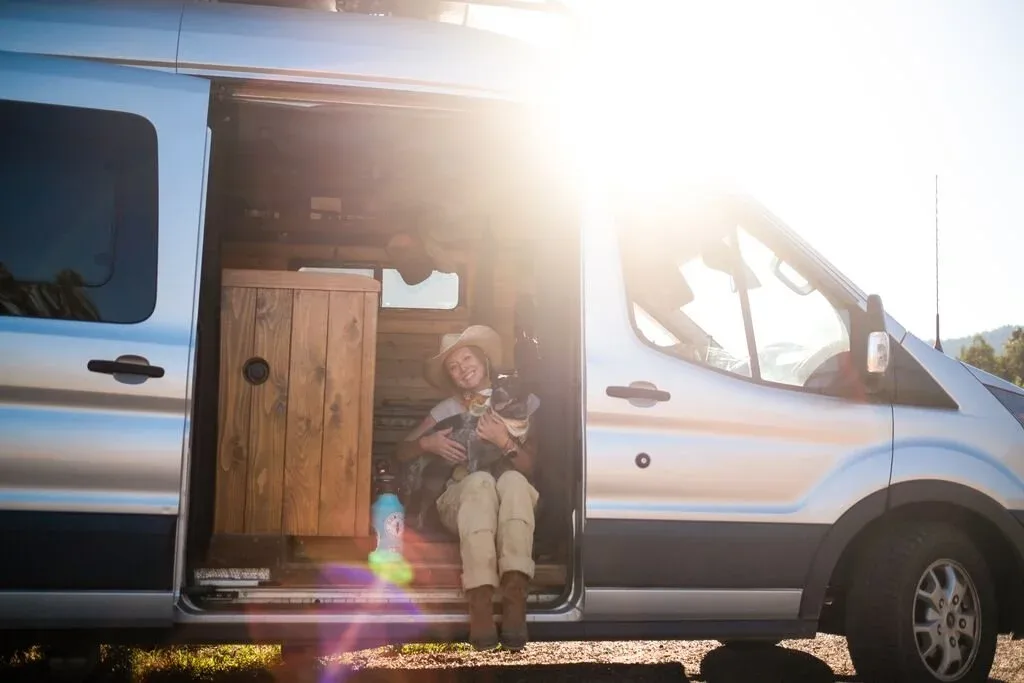
Our biggest challenge is capacity. We’re a small team with a shoestring-budget managing research sites across 138,000 acres in four states, multiple ranch and vineyard partnerships, a worn-out campervan that serves as our mobile laboratory and field housing, and growing requests from producers and new regions. The opportunities are enormous, but we're stretched incredibly thin.
Photo courtesy of Bee Regenerative.
8. Where can readers find more information about your organization?
Visit our website or follow us on our social media accounts:
Instagram: @sarahbeegirl and @beeregenerative
Facebook: @sarahbeegirl
9. What is the best way to get involved in your conservation work?
The best way to get involved is to support our work directly–financial contributions make the biggest impact and go straight to field research, habitat creation, and education. You can also help by sharing our work, attending events, or inviting us to speak. And if you're nearby, join volunteer days or participate in our Beetreat programs.
Alone no individual or entity can address all pollinator conservation needs, but through collaborative conservation we can and will make a difference for pollinators and the ecosystems they help support. Keep following our Pollinator Conservation Spotlight series to hear more inspiring pollinator conservation stories.
Do you know a great project or organization that is addressing critical pollinator conservation topics and deserve their moment under the spotlight? Let us know!
Article contributed by Mara Koenig, Department of the Interior, for the NAPPC Pollinator Communications Taskforce's Pollinator Conservation Spotlight Series.